Home / News / Industry news / Why Choose Polyurethane Foaming Equipment for Manufacturing
Why Choose Polyurethane Foaming Equipment for Manufacturing
Industry news-
Polyurethane foaming equipment is the backbone of efficient foam manufacturing — and for good reason. Whether you are producing insulation panels, automotive seating, mattresses, or industrial seals, the right polyurethane foaming equipment directly determines your output quality, cycle time, material waste rate, and long-term profitability. The short answer: modern polyurethane foaming equipment offers unmatched precision, scalability, and process consistency that alternative foam production methods simply cannot match.
This article breaks down why manufacturers across industries — from construction to consumer goods — consistently choose polyurethane foaming equipment, what technical advantages it delivers, and what to evaluate before investing.
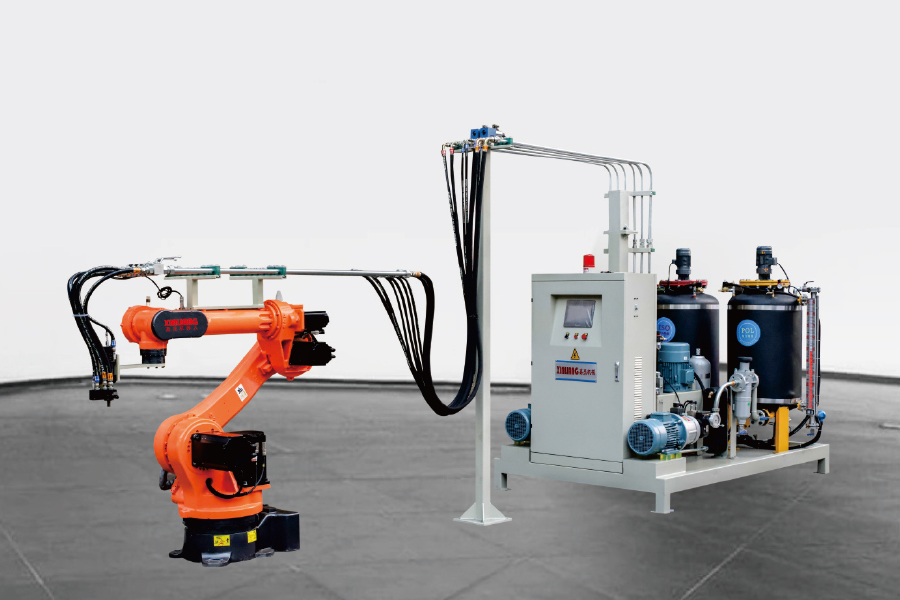
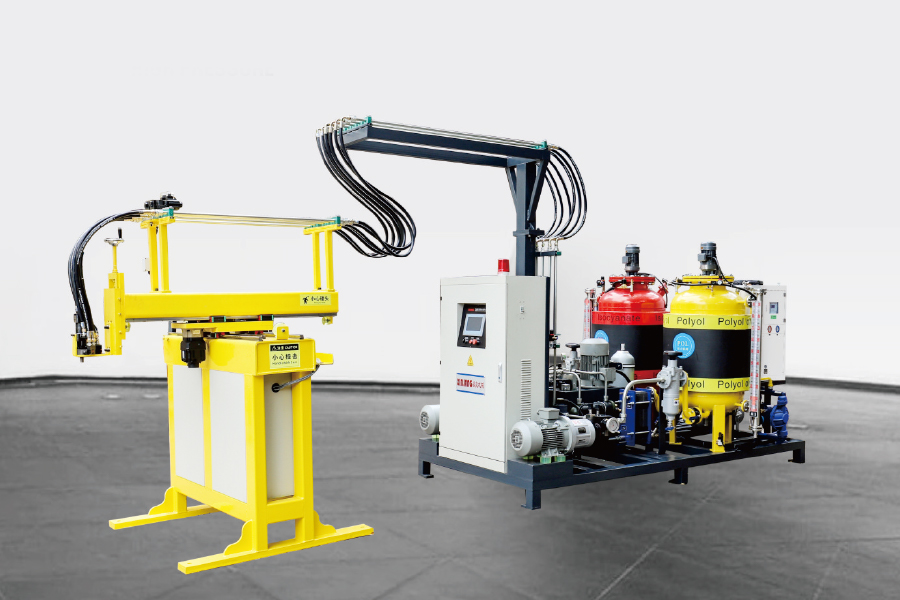
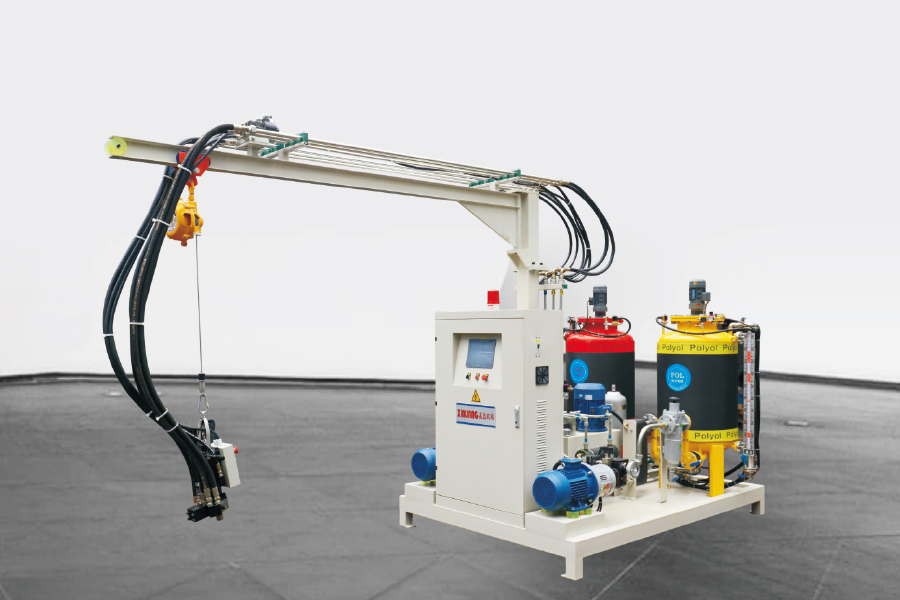
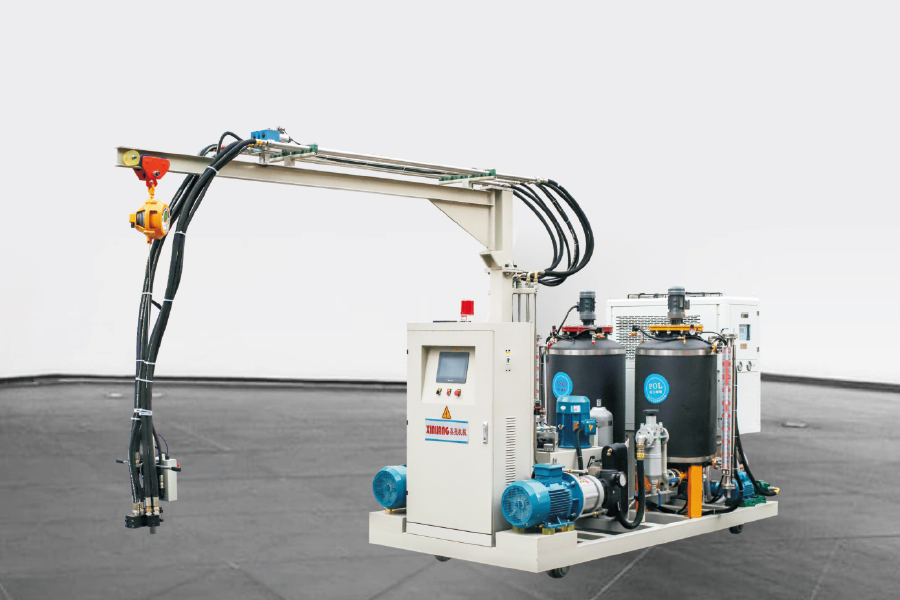
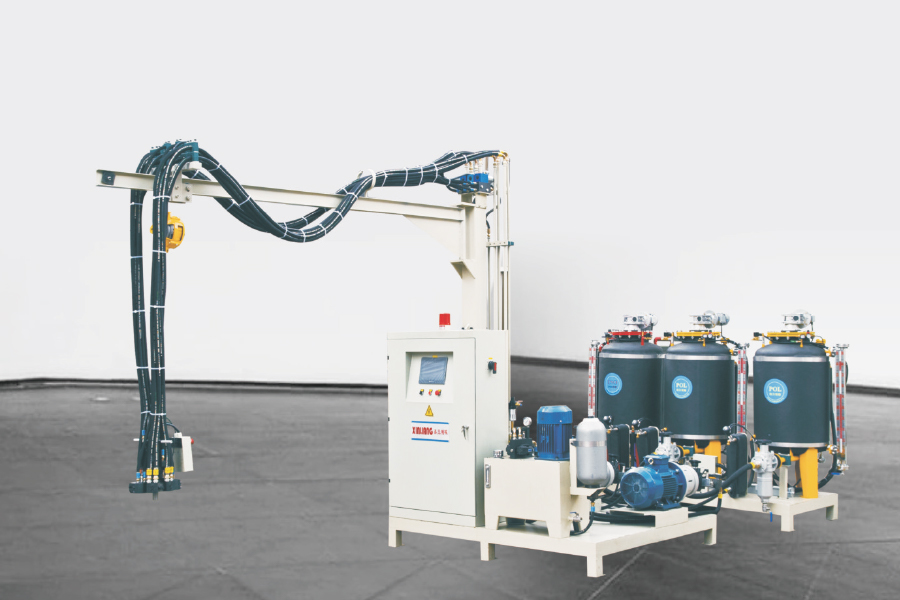
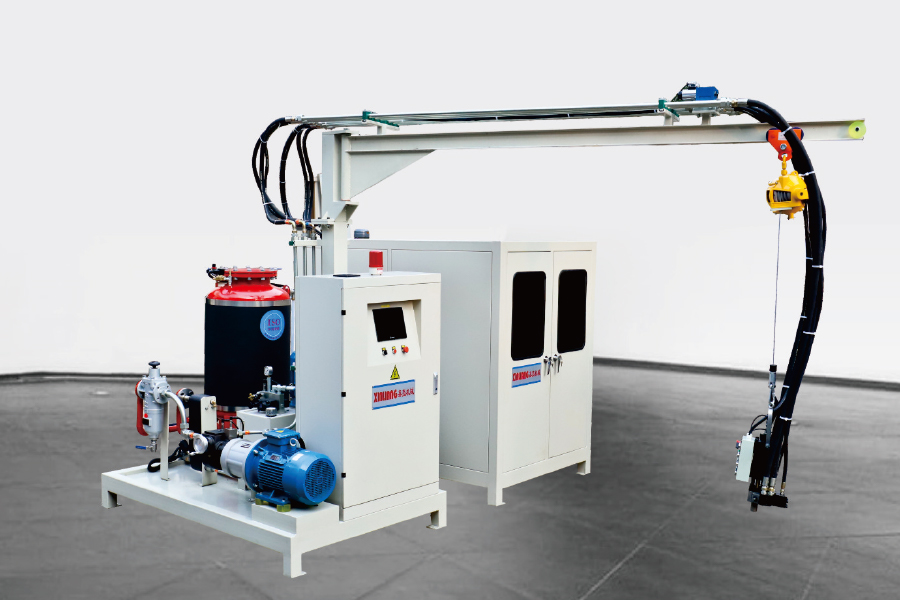
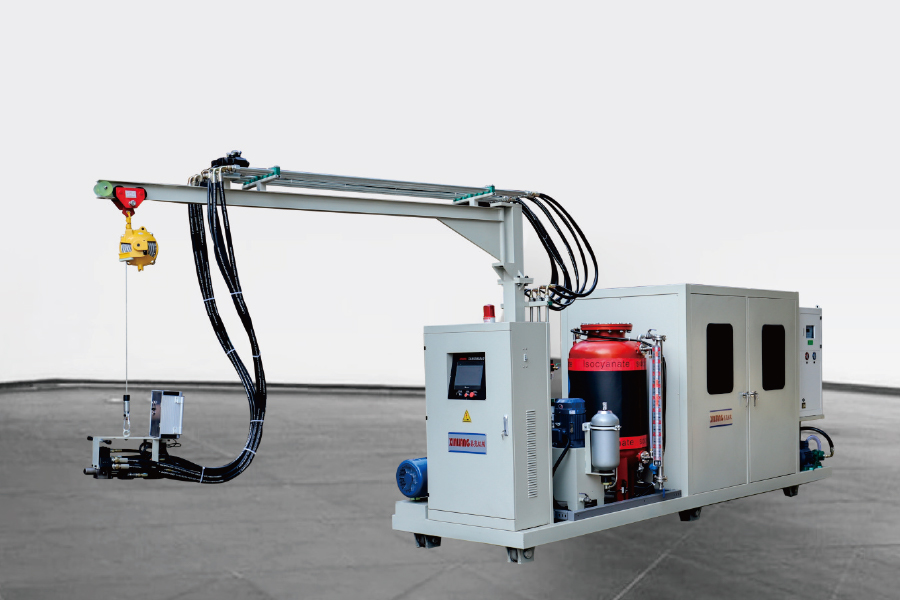
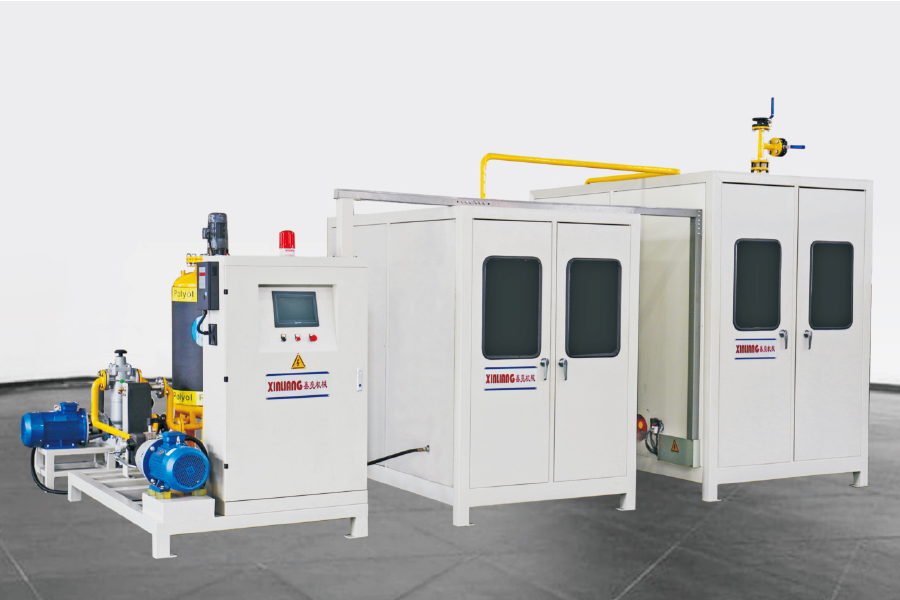
Polyurethane foaming equipment refers to the machinery and systems used to mix, meter, and dispense polyol and isocyanate — the two primary chemical components that react to form polyurethane foam. The equipment controls mixing ratios, temperature, pressure, and dispensing speed to produce foam with defined density, hardness, and cell structure.
Core components in a standard polyurethane foaming system include:
Metering pumps for precise component ratio control (typically within ±1%)
High-pressure or low-pressure mixing heads
Temperature-controlled storage tanks for polyol and isocyanate
Conveyor or mold systems for continuous or batch production
PLC-based control panels for process automation and monitoring
The result is a highly repeatable process that can produce foam densities ranging from 8 kg/m³ (ultra-light) to over 500 kg/m³ (rigid structural foam), depending on formulation and equipment settings.
Key Industries That Rely on Polyurethane Foaming Equipment
Polyurethane foaming equipment serves a remarkably broad range of manufacturing sectors. Its versatility stems from the foam's ability to be engineered for specific performance characteristics.
Table 1: Major Industries Using Polyurethane Foaming Equipment and Key Applications
Industry
Typical Application
Foam Type
Key Requirement
Construction
Insulation panels, sandwich boards
Rigid foam
Thermal resistance (R-value)
Automotive
Seat cushions, headliners, door panels
Flexible foam
Shape accuracy, durability
Furniture & Bedding
Mattresses, sofa cushions
Flexible/memory foam
Consistent density & comfort ratings
Refrigeration
Refrigerator/freezer cabinet filling
Rigid foam
Zero-void fill, energy efficiency
Packaging
Custom protective packaging
Flexible/rigid foam
Fast cycle time, adaptability
Global demand for polyurethane foam is expected to surpass 26 million metric tons by 2027, driven largely by construction and automotive sectors. Manufacturers equipped with modern polyurethane foaming equipment are positioned to serve this growing demand efficiently.
Measurable Production Advantages Over Alternative Methods
When comparing polyurethane foaming equipment against older or manual foam production setups, the performance gap is significant and quantifiable.
Output Consistency
Automated polyurethane foaming equipment maintains mixing ratios with tolerances as tight as ±0.5%. Manual or semi-manual systems typically operate at ±5% or worse, leading to batch-to-batch density variation that increases scrap rates by 8–15%.
Cycle Time Efficiency
A continuous-pour foaming line can produce foam blocks at speeds of 4–8 meters per minute, while discontinuous or manual batch systems average 1–2 meters per minute. For a mid-sized manufacturer, this translates to 3–4× higher throughput with the same floor space.
Material Utilization
Precision metering in modern polyurethane foaming equipment reduces chemical overuse. Manufacturers report raw material savings of 3–7% after switching from manual dispensing to automated metering — a meaningful gain given that polyol and isocyanate represent 60–70% of total production costs.
Figure 1: Performance Comparison — Automated vs Manual Foaming Systems
±0.5%
±5%
Mixing Ratio Accuracy
8 m/min
2 m/min
Max Production Speed
7%
0%
Material Savings
2%
15%
Scrap Rate
Automated Equipment
Manual / Semi-manual
Types of Polyurethane Foaming Equipment and Their Suitable Scenarios
Selecting the right type of polyurethane foaming equipment starts with understanding your production volume, product geometry, and foam formulation requirements.
Continuous Foaming Lines
Best for high-volume slab stock production (mattresses, acoustic foam, carpet underlay). Continuous lines output foam blocks in lengths of 30–60 meters per run with consistent cross-sectional density. These systems are designed for 24/7 operation with minimal operator intervention.
Discontinuous Mold Foaming Systems
Suitable for shaped components — automotive seats, helmet liners, custom cushioning. The polyurethane foaming equipment dispenses a measured shot into a closed mold. Cycle times range from 3–8 minutes per part depending on foam density and curing temperature.
Spray Polyurethane Foaming Equipment
Designed for in-situ insulation — spraying directly onto walls, roofs, pipes, or cold storage interior surfaces. These portable systems heat and mix components at the spray gun, achieving application rates of 0.5–2 kg/minute. They are essential in building retrofits and industrial insulation projects.
Pour-in-Place Foaming Equipment
Used to fill cavities in refrigerators, water heaters, and pipe insulation. The equipment delivers a precise foam shot into an enclosed shell. Control over foam rise time and gel time is critical here; modern systems adjust these parameters in real time via temperature feedback loops.
Critical Technical Specifications to Evaluate
Not all polyurethane foaming equipment performs equally. When evaluating systems, focus on these parameters:
Output range: Does the system cover your target throughput from minimum to maximum volume without compromising ratio accuracy?
Mixing head technology: High-pressure impingement mixing (200–2000 bar) delivers superior homogeneity for rigid foams; low-pressure mechanical mixing is better for flexible or filled formulations.
Temperature control: Component temperature should be stable within ±1°C to maintain reaction repeatability.
Cleanability: Self-cleaning mixing heads reduce downtime between formulation changes from 30+ minutes to under 5 minutes.
Control system integration: Look for systems compatible with Industry 4.0 protocols (OPC-UA, Modbus) for data logging and remote monitoring.
Component compatibility: Ensure material contact surfaces (seals, pumps, tanks) are rated for the specific polyol/isocyanate variants and any additives in your formulation.
How Polyurethane Foaming Equipment Supports Sustainability Goals
Sustainability is a growing priority for foam manufacturers responding to regulatory requirements and customer expectations. Modern polyurethane foaming equipment contributes on several fronts.
Precision metering systems reduce excess chemical use, directly lowering VOC emissions and raw material consumption. Closed-loop recirculation of unused foam trim (re-bonding applications) is supported by some foaming line configurations. Equipment designed for water-blown or HFO-blown formulations enables manufacturers to phase out HFC blowing agents, aligning with F-gas regulations.
Energy consumption is also addressed: servo-driven metering pumps in current-generation polyurethane foaming equipment consume 20–35% less electricity than hydraulic-driven predecessors, which is significant in continuous production environments running 6,000–8,000 hours per year.
Servo-driven and variable-speed systems have progressively lowered energy consumption vs. older hydraulic-driven equipment (index: hydraulic 2005 = 100)
Automation and Digital Integration in Modern Foaming Equipment
The shift toward smart manufacturing is reshaping what polyurethane foaming equipment can do. Current systems increasingly feature:
Recipe management: Store and recall up to 500+ formulations instantly, eliminating manual parameter entry and reducing changeover error.
Real-time diagnostics: Pressure and flow sensors flag deviations before they result in defective product; some systems detect ratio drift within 3 seconds.
Remote access: Cloud-connected control systems allow engineers to monitor OEE, adjust parameters, and review production logs from any location.
Robotic integration: Foaming equipment can be paired with robotic dispensing arms for complex 3D mold geometries, improving shot placement accuracy to within ±2 mm.
Manufacturers who invest in digitally integrated polyurethane foaming equipment typically report OEE (Overall Equipment Effectiveness) improvements of 12–20% within the first year of deployment, primarily through reduced unplanned downtime and faster product changeovers.
+20%
OEE Improvement (Year 1)
500+
Stored Formulation Recipes
3 sec
Ratio Drift Detection
±2 mm
Robotic Shot Placement
Maintenance Considerations and Long-Term Operational Costs
A common concern among buyers of polyurethane foaming equipment is the total cost of ownership beyond the initial acquisition. The key maintenance-related factors to plan for include:
Mixing head wear parts: Impingement nozzles and mechanical stirrers require periodic replacement. High-quality hardened steel components typically have service lives of 2,000–5,000 operating hours.
Seal and gasket inspection: Isocyanate is highly reactive with moisture and air; seals must be inspected every 500–800 hours to prevent crystallization-induced blockages.
Pump calibration: Metering pump accuracy should be verified quarterly or after any significant formulation change. Drift beyond ±1% triggers recalibration.
Filter replacement: In-line filters protecting the mixing head typically require replacement every 3–6 months in continuous operation.
Well-maintained polyurethane foaming equipment routinely achieves operational lifespans of 15–20 years, making it a durable capital investment. Preventive maintenance programs, often supported by OEM service contracts, are the most reliable way to protect this investment.
Selecting the Right Polyurethane Foaming Equipment for Your Operation
A structured selection process helps avoid mismatched equipment investments. Consider the following decision framework:
Table 2: Selection Criteria Matrix for Polyurethane Foaming Equipment
Decision Factor
Low-Volume Manufacturer
Mid-Volume Manufacturer
High-Volume Manufacturer
Output (kg/day)
<500 kg
500–5,000 kg
>5,000 kg
Recommended System
Low-pressure portable unit
Semi-automatic mold line
Continuous automated line
Automation Level
Manual/semi-auto
PLC-controlled
Fully automated + IoT
Mixing Head Type
Mechanical (low-pressure)
Low or high pressure
High-pressure impingement
Typical Payback Period
1–2 years
2–4 years
3–5 years
Always request production trials or material compatibility tests before finalizing equipment selection. Testing your exact formulation on the proposed equipment is the most reliable way to validate performance before purchase.
Frequently Asked Questions About Polyurethane Foaming Equipment
Q1: What is the difference between high-pressure and low-pressure polyurethane foaming equipment?
High-pressure systems (200–2000 bar) mix components through impingement in a self-cleaning mixing head, providing superior homogeneity and minimal solvent cleaning. Low-pressure systems use mechanical mixing at lower pressures and are better suited for filled or slow-reacting formulations. High-pressure equipment generally delivers higher output rates and cleaner mix quality; low-pressure units offer lower initial complexity and wider formulation flexibility.
Q2: How long does it take to change formulations on a polyurethane foaming line?
With a PLC-based recipe management system, switching between stored formulations takes 2–10 minutes for parameter loading. Physical cleaning of the mixing head (if needed) adds 5–20 minutes depending on system type. High-pressure self-cleaning mixing heads reduce changeover time significantly compared to low-pressure mechanical heads, which may require solvent flushing.
Q3: Can polyurethane foaming equipment handle bio-based polyol formulations?
Yes, most modern polyurethane foaming equipment can process bio-based polyols (soy, castor oil, or recycled PET-derived polyols) without major modifications, provided viscosity and reactivity profiles fall within the equipment's operating range. It is recommended to verify seal and pump material compatibility, as some bio-polyols have different chemical interaction profiles compared to conventional petroleum-based polyols.
Q4: What maintenance schedule is recommended for polyurethane foaming equipment in continuous production?
A practical schedule includes: daily inspection of seals, filter condition, and temperature settings; weekly check of pump calibration and mixing head wear; monthly review of all O-rings, gaskets, and nozzle wear; and quarterly full system inspection covering metering accuracy, control system diagnostics, and lubrication of moving parts. Following the OEM-recommended preventive maintenance program is the most effective approach to maximizing equipment uptime.
Q5: Is polyurethane foaming equipment suitable for small-batch custom production?
Yes. Smaller discontinuous mold foaming systems and portable low-pressure units are specifically designed for custom or short-run production. These systems support output as low as 5–50 kg per batch, making them practical for prototyping, specialty foam products, or contract manufacturing with varied order profiles. The key is selecting equipment with a minimum output rate that matches your smallest batch requirement without sacrificing mix quality at low flow rates.


 English
 русский
 عربى
عربى