Home / News / Industry news / What Types of Products Can Be Made with a Polyurethane Foaming Injection Machine?
What Types of Products Can Be Made with a Polyurethane Foaming Injection Machine?
Industry news-
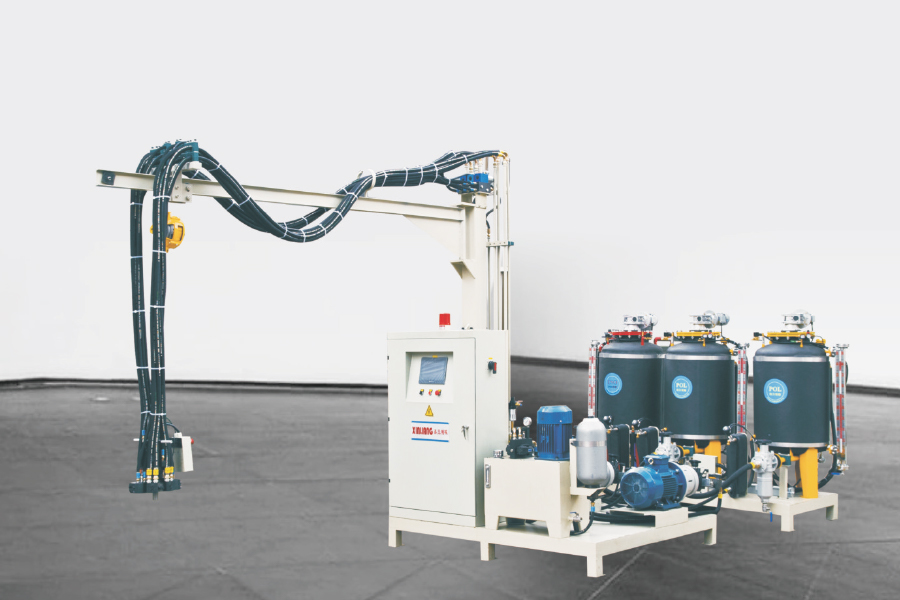
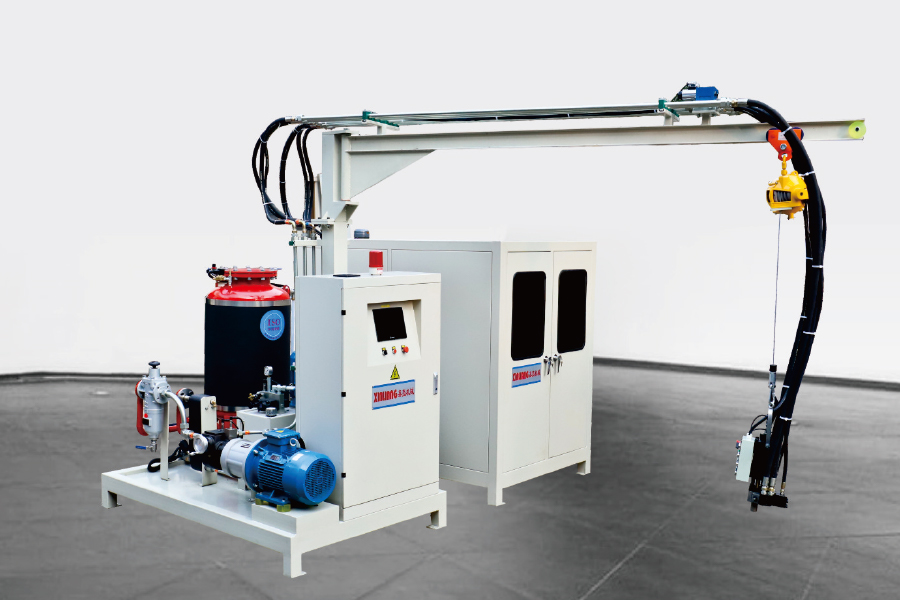
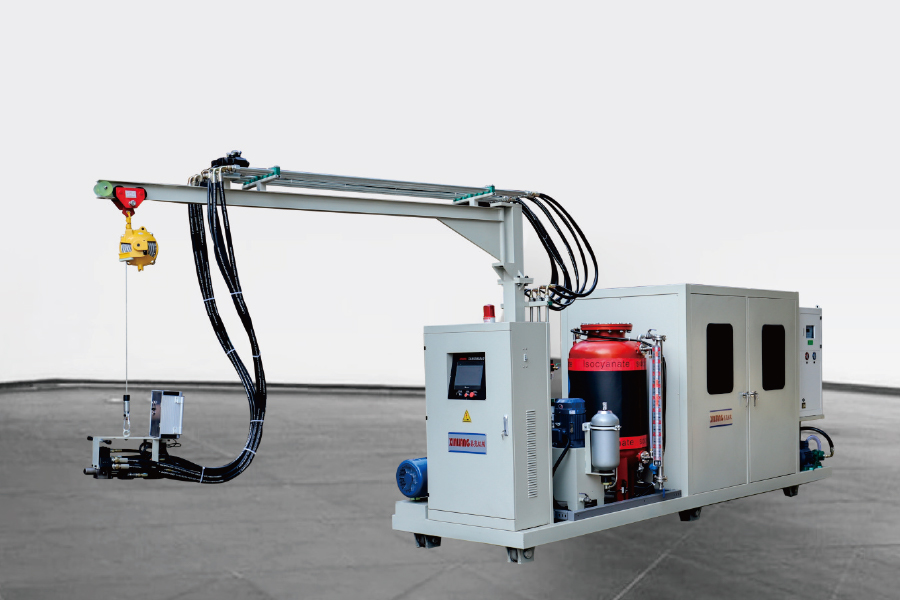
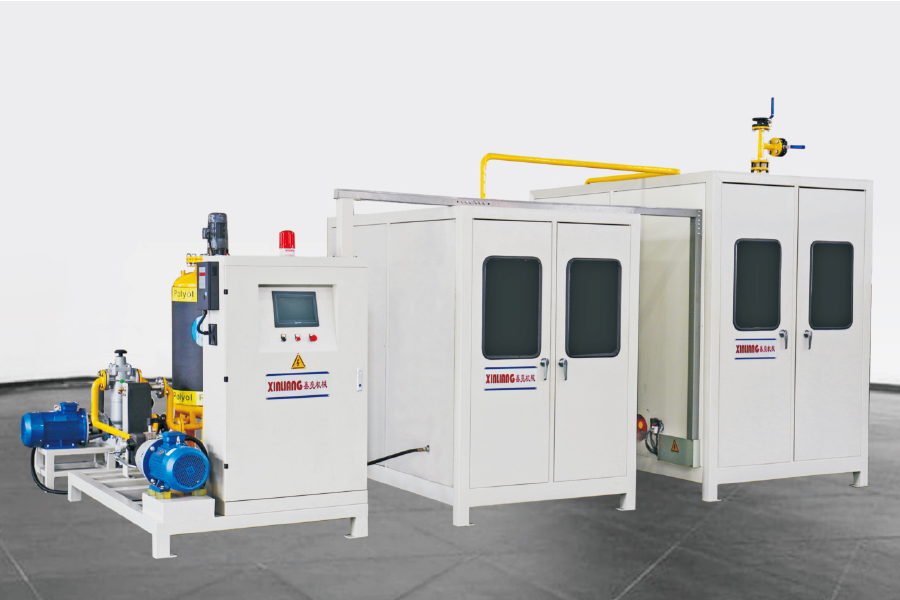
A polyurethane foaming injection machine can produce an exceptionally wide range of products — from refrigerator insulation panels and automotive seat cushions to industrial pipe insulation, shoe soles, and medical mattresses. The machine's ability to precisely mix and inject two reactive components (polyol and isocyanate) at controlled ratios and pressures makes it the foundation of modern polyurethane manufacturing across more than a dozen major industries.
This article details the full product scope achievable with a polyurethane high pressure foaming injection machine, organized by industry sector, with technical context and application-specific data to help manufacturers identify the right process configuration.
Thermal Insulation Products for Refrigeration and Cold Chain
Rigid polyurethane foam is the insulation material of choice for refrigerators, freezers, cold storage rooms, and refrigerated transport containers. A polyurethane high pressure foaming injection machine produces panels and cabinet liners with foam densities typically ranging from 28 to 42 kg/m³, achieving thermal conductivity values as low as 0.022 W/(m·K) — outperforming mineral wool and EPS by a significant margin.
High-pressure mixing heads ensure precise A/B component ratios and consistent cell structure throughout the panel, which directly determines insulation performance and structural integrity. For household refrigerator production lines, output speeds of 200 to 400 units per shift are achievable with multi-station carousel systems.
Household refrigerator and freezer door panels
Cold room wall, floor, and ceiling sandwich panels
Refrigerated truck body insulation
Wine coolers, display cabinets, and vending machine bodies
Automotive Interior and Structural Components
The automotive industry is one of the largest end markets for polyurethane foaming injection technology. Flexible, semi-rigid, and rigid foams are all used depending on application requirements. A polyurethane foaming injection machine configured for low-pressure or high-pressure processes serves different part categories within the same vehicle.
Common Automotive Products Made by Foaming Injection
Seat cushions and backrests — flexible foam, density 28–55 kg/m³, molded to ergonomic contours
Headrests and armrests — HR (high resilience) foam for comfort and durability
Dashboard and door panel backing — semi-rigid foam for soft-touch surfaces
Roof liners and pillar fillers — acoustic foam for NVH (noise, vibration, harshness) reduction
Steering wheel covers — integral skin foam with hard core and soft outer layer
Engine bay soundproofing pads — flame-retardant rigid foam
Modern automotive OEM lines use robotic dispensing arms integrated with the polyurethane high pressure foaming injection machine, enabling shot-to-shot repeatability with weight variation under ±1%.
Building and Construction Insulation Products
Rigid polyurethane foam produced by foaming injection machines is used extensively in building envelope insulation, roofing systems, and prefabricated wall panels. The global polyurethane insulation board market exceeded USD 12 billion in 2023, driven largely by energy efficiency regulations tightening across Europe, North America, and China.
Continuous lamination lines — fed by a polyurethane high pressure foaming injection machine — produce sandwich panels at rates of 3 to 12 meters per minute, with foam thickness from 20 mm to 200 mm depending on thermal performance targets.
Flat and profiled roof insulation boards
External wall cladding panels (PIR/PUR)
Prefabricated modular building panels
Door cores and garage door inserts
Window frame cavity filling
Footwear: Soles and Midsoles
Polyurethane foaming injection machines are the standard production equipment for PU shoe soles, midsoles, and full soles in the global footwear industry. The process injects a reactive mixture into a closed mold at pressures of 100 to 200 bar, producing parts with precise density gradients — typically 0.3 to 0.6 g/cm³ for midsoles and 0.6 to 1.0 g/cm³ for outsoles.
Compared to EVA injection molding, PU foaming produces soles with superior energy return, durability, and dimensional stability. A rotary carousel sole production line with 20–40 mold stations can output 800 to 1,500 pairs per shift, making it a highly productive format for volume footwear manufacturing.
Sports and running shoe midsoles
Safety boot and work shoe soles
Fashion and casual footwear direct-attach soles
Sandal footbeds and comfort insoles
Furniture, Mattresses, and Comfort Products
Flexible polyurethane foam — produced using slabstock or molded foaming processes — is the dominant cushioning material in furniture and bedding. A polyurethane foaming injection machine configured for flexible foam applications delivers foam with ILD (Indentation Load Deflection) values from 10 N to 500 N, covering the full range from ultra-soft topper foams to firm seating grades.
Typical foam grade specifications for furniture and bedding applications
Product
Foam Type
Density (kg/m³)
ILD 25% (N)
Mattress core
HR flexible
30 – 45
80 – 200
Sofa seat cushion
Conventional flexible
25 – 40
120 – 300
Memory foam topper
Viscoelastic
40 – 80
10 – 80
Office chair backrest
Molded HR
35 – 55
150 – 350
Industrial Pipe and Equipment Insulation
Polyurethane foam injection is widely used for in-situ pipe insulation in district heating, oil and gas, and chemical plant infrastructure. Pre-insulated pipe systems are manufactured by injecting rigid PU foam into the annular space between a carrier pipe and an outer casing pipe — a process that demands precise, consistent shot volumes with fill times typically under 60 seconds per pipe section.
A polyurethane high pressure foaming injection machine with adjustable output rates of 5 to 50 kg/min covers the full range of pipe diameters from DN25 to DN1200, meeting EN 253 and ISO 11632 specifications for district heating systems.
Pre-insulated district heating and cooling pipes
LNG and cryogenic pipeline sections
Tank and vessel insulation shells
Valve and fitting insulation enclosures
Application Distribution Across Industries
The chart below illustrates the approximate share of polyurethane foaming injection machine applications across major end-use sectors globally, based on volume of polyurethane consumed.
Estimated global polyurethane consumption by end-use sector (foaming injection applications)
Specialty and Emerging Applications
Beyond the mainstream sectors, polyurethane high pressure foaming injection machines are increasingly used in specialty manufacturing where foam properties need to be precisely tuned to demanding specifications.
Medical devices and hospital equipment — pressure-relief mattresses, orthopedic supports, and prosthetic liners using biocompatible foam grades
Marine flotation components — closed-cell rigid foam for boat hulls, dock floats, and buoyancy modules
Sports and protective equipment — helmets, shin guards, and impact pads using energy-absorbing foam formulations
Packaging and cushioning — custom-molded foam packaging for fragile electronics and precision instruments
Acoustic panels and soundproofing — open-cell foam for studio, industrial, and HVAC noise control
Agricultural equipment seating — vibration-damping operator seats for tractors and harvesters
Rigid Foam ApplicationsFlexible Foam Applications
Machine Configuration and Its Effect on Product Range
Not all polyurethane foaming injection machines produce the same product range. Key machine parameters determine which products can be manufactured effectively:
Machine configuration parameters and corresponding product applications
Machine Parameter
Typical Range
Product Impact
Output rate
1 – 80 kg/min
Small molded parts vs. large panel or pipe fill
Mixing pressure
100 – 250 bar
Mixing quality, foam cell uniformity
Component ratio range
100:30 – 100:150
Flexible vs. rigid foam formulations
Temperature control
20 – 60°C
Viscosity control, reactivity tuning
Number of components
2 – 6 streams
Multi-component specialty formulations
A polyurethane high pressure foaming injection machine with a wider output range and multi-component capability gives manufacturers the flexibility to switch between product types without dedicated tooling investment for each formulation.
About Ningbo Xinliang Machinery Co., Ltd.
Ningbo Xinliang Machinery Co., Ltd. is an enterprise combining industry and trade, dedicated to producing polyurethane foaming equipment, polyurethane foaming production lines, and cyclopentane polyurethane foaming complete equipment. It is a professional high-tech enterprise specializing in polyurethane foaming equipment research and development, manufacturing, and technical services, with more than ten years of professional design experience and familiarity with advanced polyurethane foaming equipment technology at home and abroad.
As a professional custom polyurethane high pressure foaming injection machine supplier and OEM manufacturer, the company relies on Zhejiang's strong industrial foundation and advantageous location, following the development path of "scientific and technological innovation, the pursuit of specialization" — focusing on providing customized solutions for users across the polyurethane industry.
Frequently Asked Questions
High pressure foaming injection machines mix the polyol and isocyanate components at pressures of 100–250 bar inside a self-cleaning impingement mixing head, with no need for solvent cleaning. Low pressure machines use mechanical agitators at below 50 bar. High pressure systems deliver better mixing quality, faster cycle times, and are preferred for automotive, refrigeration, and industrial applications requiring consistent foam cell structure.
Yes, with appropriate component ratio adjustment and formulation changes, many machines can process both rigid and flexible foam systems. However, the hardware — particularly pump capacity, mixing head design, and temperature control range — should be specified to match the target foam types during machine selection.
Output rate is determined by the part or product volume, target foam density, and required cycle time. For example, a refrigerator door panel requiring 800 g of foam with a 30-second fill time needs an output rate of approximately 1.6 kg/min. Pipe insulation or large panel applications may require 20–50 kg/min. Machines should ideally operate at 60–90% of their rated maximum for stable performance.
Cyclopentane is a flammable blowing agent that requires explosion-proof electrical components, sealed material storage, and ventilation systems that meet relevant safety standards. Machines designed for cyclopentane use incorporate these features as standard. Always confirm with your machine supplier that the equipment is rated and certified for cyclopentane operation before use.
Key maintenance tasks include daily inspection of mixing head seals and cleaning pin function, weekly checks of pump pressure calibration and filter condition, and periodic replacement of seals, O-rings, and wear components in the metering pumps. Self-cleaning high pressure mixing heads significantly reduce the cleaning burden compared to low pressure systems, but regular preventive maintenance schedules are still necessary for long-term reliable output.


 English
 русский
 عربى
عربى