Direct Answer: What Matters Most When Buying a PU Machine
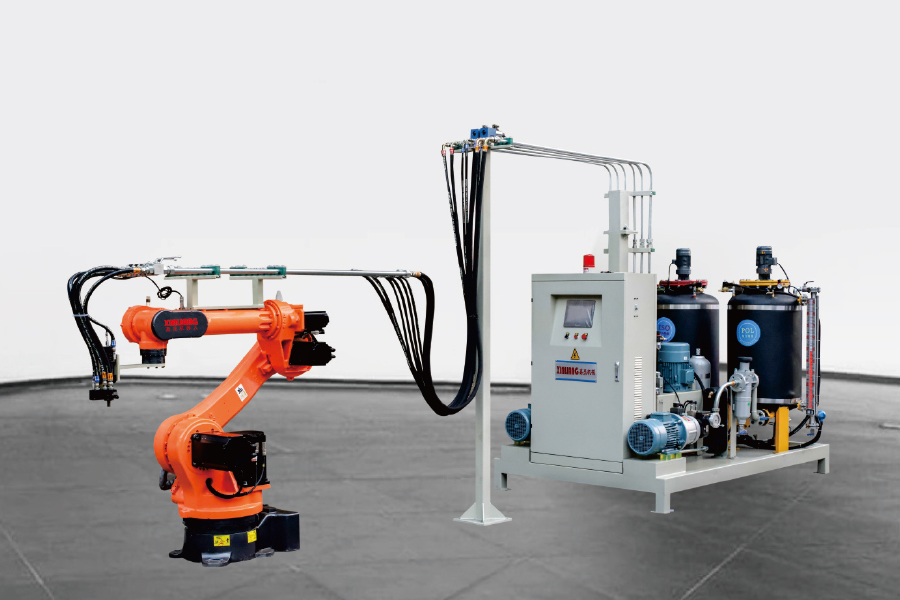
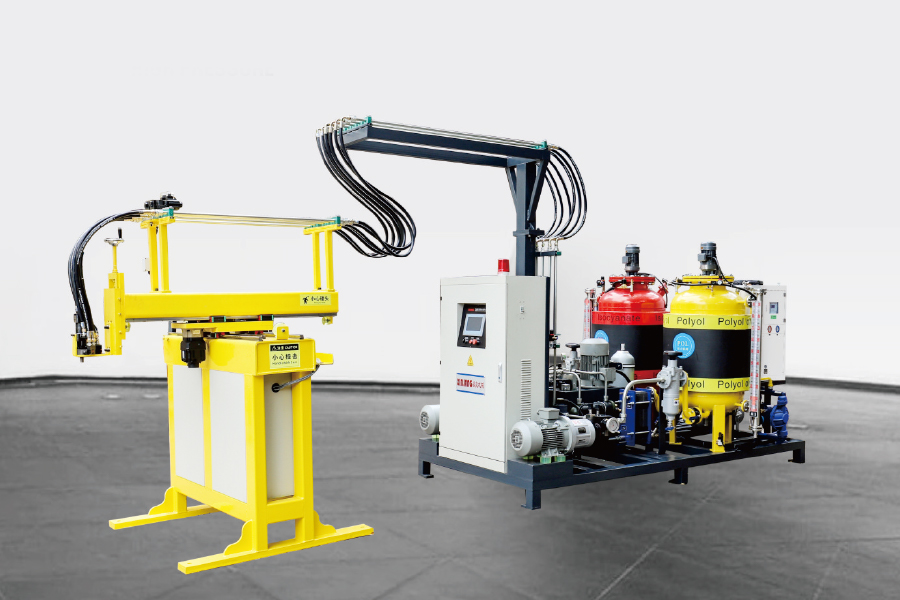
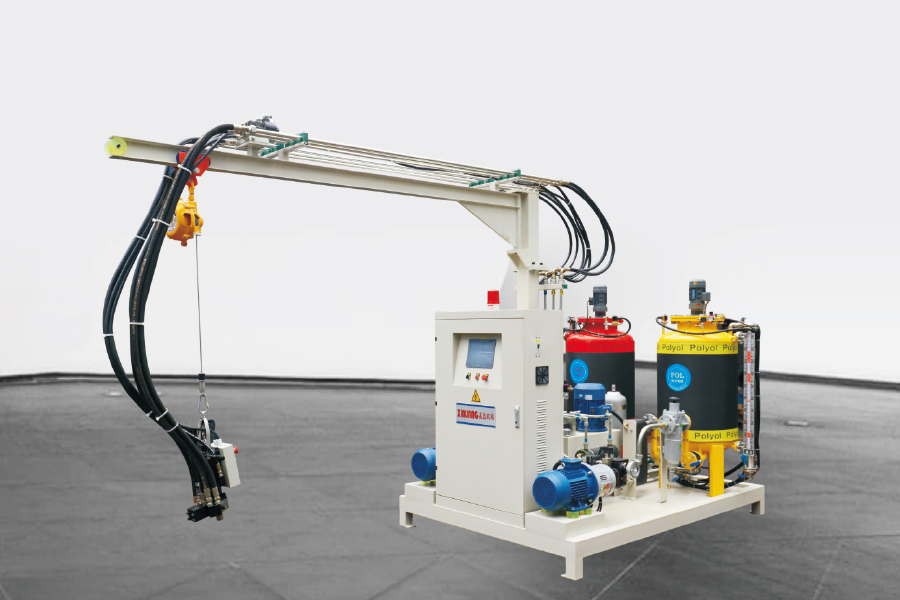
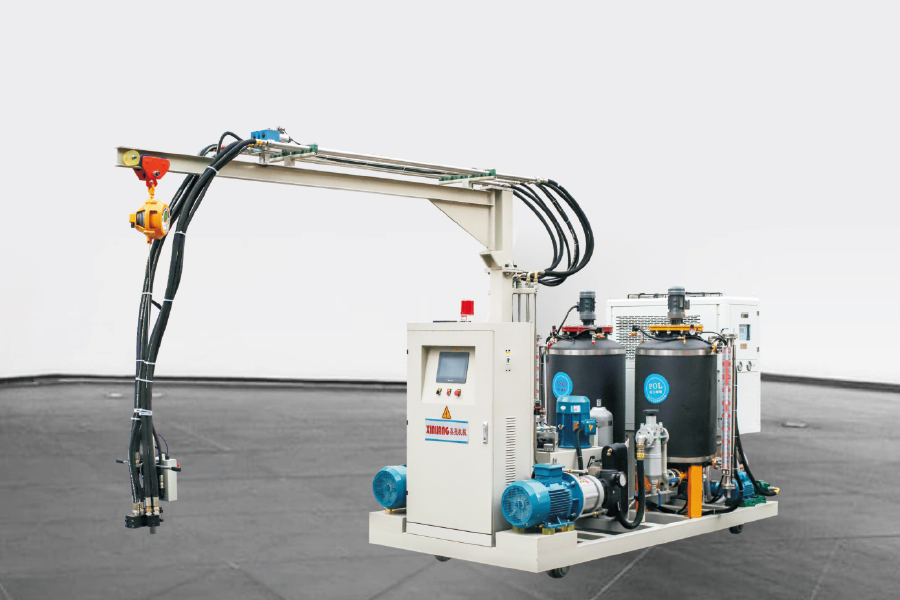
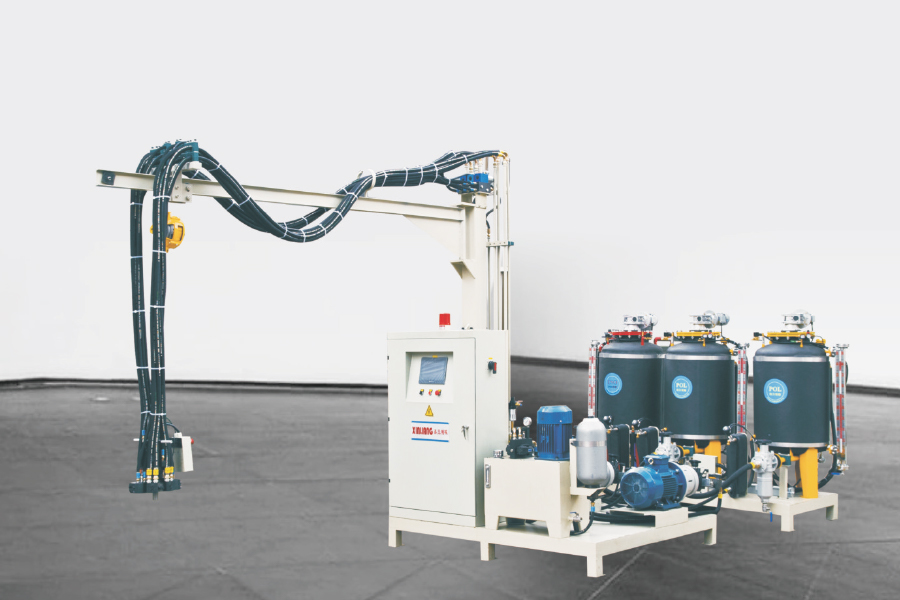
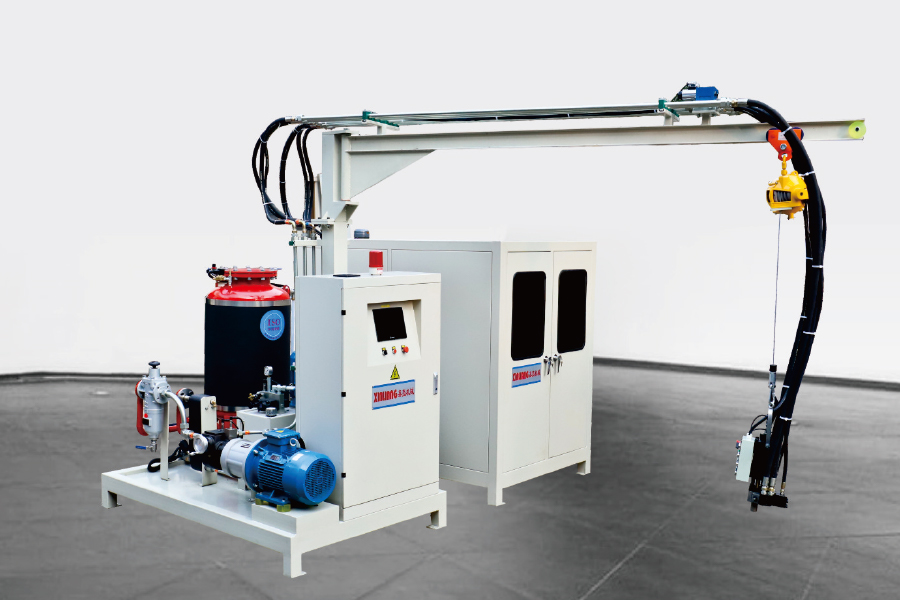
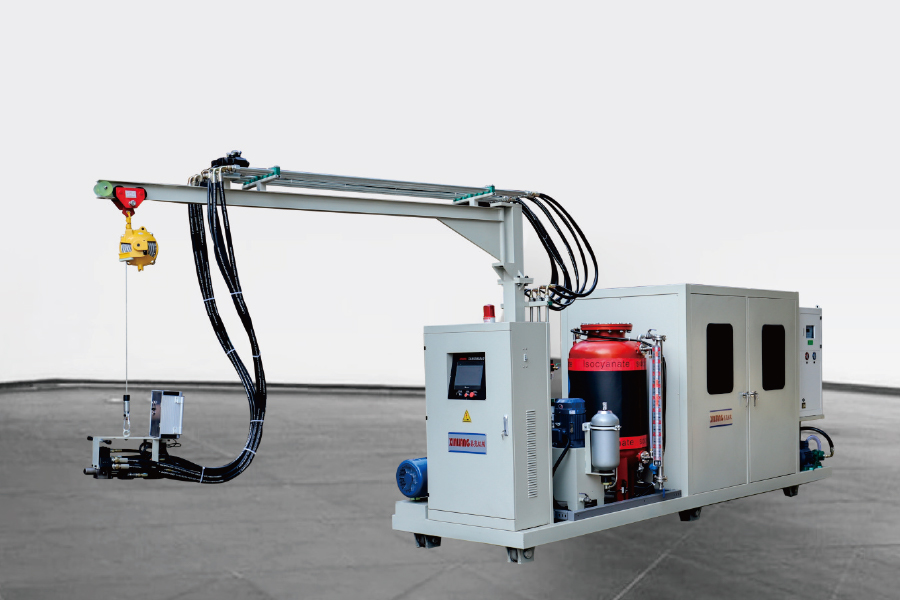
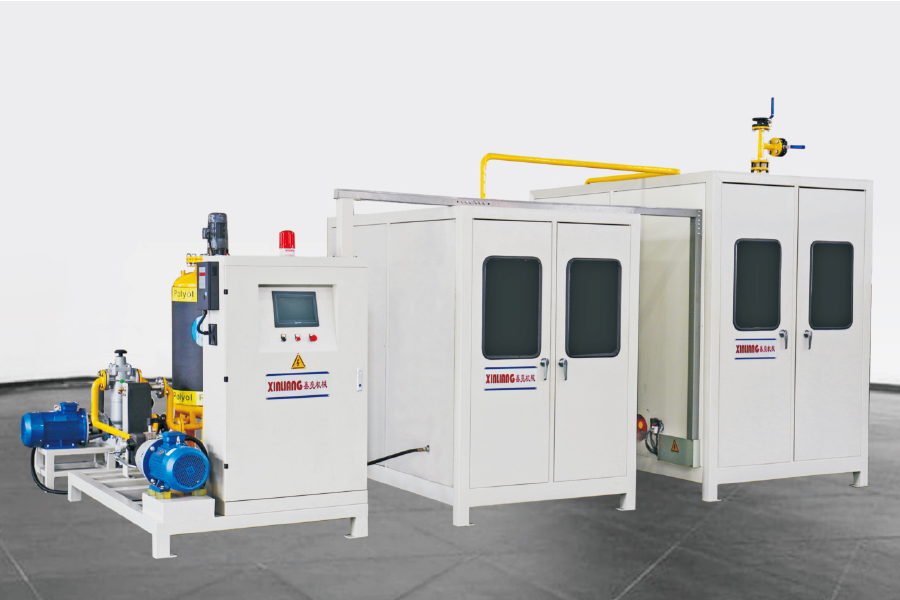
When purchasing a polyurethane high pressure foaming injection machine, the single most critical factor is the high‑pressure mixing head — its design determines foam uniformity, density consistency, and waste rate. Beyond that, you must evaluate the machine's pressure range (typically 120–220 bar), output capacity (from 2 kg/min up to 200 kg/min), and material compatibility with isocyanates, polyols, and blowing agents like 141B or cyclopentane. A robust high pressure PU foaming machine with a self‑cleaning mixing head and precise flow control will reduce material waste by as much as 15–20% and improve cycle times by 25% over low‑pressure systems. Choose a supplier that offers OEM polyurethane machine customization, on‑site commissioning, and a proven track record in your specific application — whether it's automotive interiors, mattress production, or fitness equipment.
High‑Pressure vs. Low‑Pressure Foaming Systems
The distinction between high‑pressure and low‑pressure systems is fundamental. A polyurethane high pressure foaming injection machine operates at 120–220 bar, achieving turbulent mixing in the mixing head without a solvent flush. This results in superior homogeneity and a 5–8% reduction in foam density variation compared to low‑pressure machines (which run at 10–30 bar). Low‑pressure systems rely on mechanical stirring and require solvent cleaning between shots, adding cost and downtime.
High‑Pressure vs Low‑Pressure: Key Performance Indicators
High‑pressure systems consistently outperform low‑pressure on all critical metrics.
For applications like automotive seats, steering wheels, and headrests, the precision of a high‑pressure machine is non‑negotiable. A polyurethane injection machine with high‑pressure impingement mixing delivers a 95–98% mixing efficiency, compared to 80–85% for mechanical low‑pressure mixers. This translates directly into fewer rejects and lower raw material costs.
Key Technical Specifications to Evaluate
Before committing to a PU foaming injection machine, you must examine the following technical parameters in detail:
Output capacity: Ranges from 2 kg/min for small‑part production to 200 kg/min for continuous slabstock. Match the machine's throughput to your daily production target. A typical mattress line requires 40–60 kg/min.
Working pressure: A high pressure PU foaming machine should maintain 130–200 bar with a pressure fluctuation of less than ±2 bar for consistent density.
Mixing ratio range: Most systems offer a ratio range of 1:1 to 5:1 (isocyanate to polyol). For flexible foams, a 1:1.1 ratio is common; for rigid foams, it may be 1:1.5.
Temperature control: Accurate heating and cooling of both components (typically 20–45 °C) is vital. Look for PID controllers with ±0.5 °C accuracy.
Blowing agent compatibility: The machine must support 141B, cyclopentane, F11, and water foaming without corrosion or sealing issues.
Typical Output Ranges for PU Foaming Applications
Output capacity varies widely; match your machine to your product portfolio.
Additionally, pay close attention to the metering pump type. Gear pumps are standard for high‑pressure systems due to their linear flow characteristics and low pulsation. A high‑quality polyurethane foaming machine manufacturer will provide pump maintenance intervals and spare parts availability as part of the package.
Mixing Head Technology and Its Impact on Foam Quality
The mixing head is the heart of any polyurethane high pressure foaming injection machine. Modern heads use counter‑current impingement — two high‑pressure streams collide at 150–200 bar, creating a fine mist that reacts almost instantly. The best heads feature a self‑cleaning mechanism that uses a piston to wipe the mixing chamber clean after each shot, eliminating the need for solvent flushing.
Mixing Efficiency vs. Injection Pressure (Typical Curve)
Mixing efficiency climbs steeply above 130 bar and plateaus near 95% beyond 190 bar.
A well‑designed mixing head will also include a recirculation circuit that maintains precise temperature and pressure when the machine is idle. For custom polyurethane equipment, mixing head geometry (nozzle diameter, impingement angle, and chamber volume) can be tailored to your specific formulation. A China PU foaming machine supplier with in‑house R&D can often provide this level of customization.
Mixing Head Performance Comparison (Data from 2025 Industry Benchmarks)
Parameter
Self‑Cleaning Head
Standard Head
Improvement
Cleaning time (seconds)
0.8–1.2
8–12
~90% faster
Solvent consumption (L/week)
0
5–8
100% reduction
Density variation (%)
±1.2%
±3.5%
65% better
Shot‑to‑shot repeatability
±0.8%
±2.5%
68% improvement
Material Compatibility and Chemical Systems
A polyurethane injection machine must handle a wide range of chemical systems. The two primary components are isocyanate (MDI/TDI) and polyol blend, plus blowing agents (141B, cyclopentane, water) and additives (catalysts, surfactants, flame retardants). The machine's material circuit — including tanks, pumps, hoses, and valves — must be compatible with these chemicals.
For example, 141B is a common blowing agent for rigid foams (e.g., insulation panels, refrigerators), while water is used for flexible foams (mattresses, seats). A polyurethane high pressure foaming injection machine designed for 141B will have special seals and hose materials (e.g., Viton® or PTFE) to prevent swelling and degradation. For cyclopentane systems, explosion‑proof motors and inert gas blanketing are required.
Pro tip: Ask your polyurethane foaming machine manufacturer for a detailed chemical compatibility matrix. Over 60% of field issues are traced to seal incompatibility or material contamination.
If you are producing automotive interiors, you may need a machine that can handle both flexible and semi‑rigid formulations. Some manufacturers offer a dual‑circuit design that allows quick changeover between two different polyol/isocyanate combinations — a valuable feature for job‑shop operations.
Production Efficiency and Cycle Time
Efficiency is measured not just by output per hour, but by cycle time — the total time from shot start to mold release. A modern high pressure PU foaming machine can achieve cycle times as low as 8–12 seconds for small parts and 30–60 seconds for large mattress cores. Factors that influence cycle time include:
Mixing head opening/closing speed — hydraulic or pneumatic actuators.
Material temperature stability — consistent viscosity ensures predictable flow.
Mold release agent application — integrated systems cut manual steps.
Cycle Time Reduction with High‑Pressure vs Low‑Pressure
Advanced high‑pressure machines with servo pumps cut cycle times by 60% vs low‑pressure.
For high‑volume applications, consider a polyurethane foaming production line with multiple mold stations and automated conveying. A buy polyurethane foaming machine decision should factor in the total cost of ownership, including energy consumption (high‑pressure machines use 15–20% less energy per kg of foam), maintenance intervals, and scrap rate.
Control Systems and Automation
Modern polyurethane high pressure foaming injection machine control systems are built around PLC (Programmable Logic Controller) with HMI (Human‑Machine Interface) touch screens. The control system manages flow rates, pressure, temperature, and shot timing with high precision. Look for these features:
Recipe management — store and recall hundreds of formulations with a single touch.
Real‑time trend monitoring — track pressure and temperature during the shot.
Remote diagnostics — enables your supplier to troubleshoot without a site visit.
Data logging — record every shot for quality traceability (ISO 9001 compliance).
A polyurethane foaming machine manufacturer with strong software development capability will offer a control system that integrates with your plant's MES (Manufacturing Execution System). This allows for automatic recipe selection based on barcode scanning and provides production KPIs in real time.
Industry benchmark: The top 20% of PU machine buyers prioritize control system openness — they choose suppliers that offer OPC UA or Modbus TCP connectivity for seamless integration.
OEM and Customization Options
Many buyers require a custom polyurethane equipment solution that fits their specific mold layout, production hall, and material handling needs. A reputable OEM polyurethane machine partner can tailor:
Mixing head orientation — vertical, horizontal, or multi‑nozzle configurations.
Tank sizes — from 200 L to 5,000 L, with heating/cooling jackets.
Material supply — drum pumps, bulk storage, or day tanks.
Safety features — emergency stops, gas detection, and fire suppression.
Ningbo Xinliang Machinery Co., Ltd., as a professional polyurethane high pressure foaming injection machine manufacturer, has more than ten years of R&D experience and offers comprehensive customization. Their machines are designed for 141B, F11, and water foaming, and they provide full technical support from layout design to commissioning. With a focus on scientific and technological innovation, they have delivered over 1,000 units to clients worldwide in automotive, furniture, and insulation sectors.
After‑Sales Support and Technical Service
The purchase of a polyurethane high pressure foaming injection machine is a long‑term investment. The after‑sales support provided by your polyurethane foaming machine manufacturer is as important as the machine itself. Key support elements include:
On‑site commissioning — ensure the machine is installed and calibrated correctly.
Operator training — comprehensive training for your production staff.
Spare parts availability — critical parts (pumps, seals, sensors) should be available within 48 hours.
Remote support — many issues can be resolved via VPN connection to the control system.
A China PU foaming machine supplier with a strong export track record will have service centers or partner networks in key regions. Ask for references from customers in your industry who have been running the machine for at least two years — they can provide honest feedback about reliability and support responsiveness.
Data point: According to a 2025 survey of 200 PU foam producers, 83% of respondents rated on‑site training and 24/7 technical hotline as the most valued after‑sales services.
Frequently Asked Questions
Q1: What is a polyurethane high pressure foaming machine?
It is a precision system that mixes isocyanate and polyol at high pressure (120–220 bar) to produce polyurethane foam with uniform density, used in automotive, furniture, and insulation applications.
Q2: How does a PU foaming machine work?
Two components are metered and pumped to a mixing head where they collide at high speed, creating a turbulent mix that reacts to form foam. The mixture is then injected into a mold.
Q3: What is the difference between high pressure and low pressure foaming?
High‑pressure uses impingement mixing without solvents, delivering better uniformity and lower waste. Low‑pressure uses mechanical stirring and requires solvent cleaning between shots.
Q4: What chemicals are used in PU foaming?
Primary chemicals are isocyanate (MDI or TDI) and polyol, plus blowing agents (141B, cyclopentane, water) and additives like catalysts, surfactants, and flame retardants.
Q5: What is a PU mixing head?
The mixing head is the core component where high‑pressure streams impinge to create a homogeneous mixture. Self‑cleaning heads eliminate solvent flushing and reduce waste.
Q6: How do you control foam density?
Density is controlled by adjusting the blowing agent amount, injection pressure, and mold temperature. Modern machines use closed‑loop control to maintain density within ±2%.
Q7: How do you clean a mixing head?
Self‑cleaning heads use a piston to mechanically wipe the chamber. Standard heads require solvent flushing — a step that adds time and chemical cost.
Q8: What causes bubbles in polyurethane foam?
Bubbles can result from excessive blowing agent, moisture contamination, or low injection pressure. Proper material handling and accurate pressure control are essential.
Q9: Why is foam shrinking?
Shrinkage occurs when the foam cools and gas escapes. It can be minimized by optimizing the blowing agent level, mold temperature, and demold time.
Q10: Can I customize a PU foaming machine for my product?
Yes. Reputable manufacturers like Ningbo Xinliang offer custom polyurethane equipment with tailored mixing heads, tank sizes, and control software to match your specific application.


 English
 русский
 عربى
عربى