Home / News / Industry news / How to Reduce Material Waste by 30% in PU Foam Injection Processes?
How to Reduce Material Waste by 30% in PU Foam Injection Processes?
Industry news-
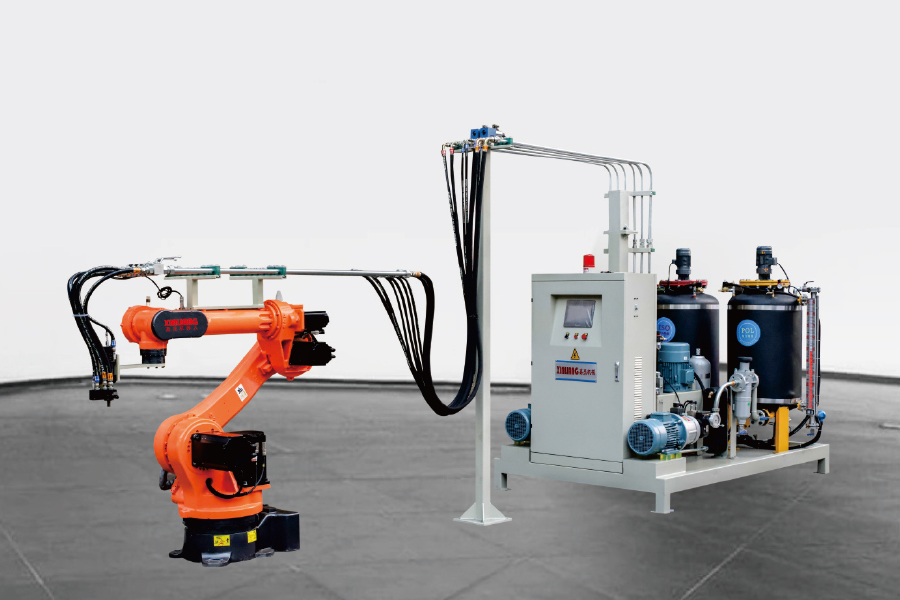
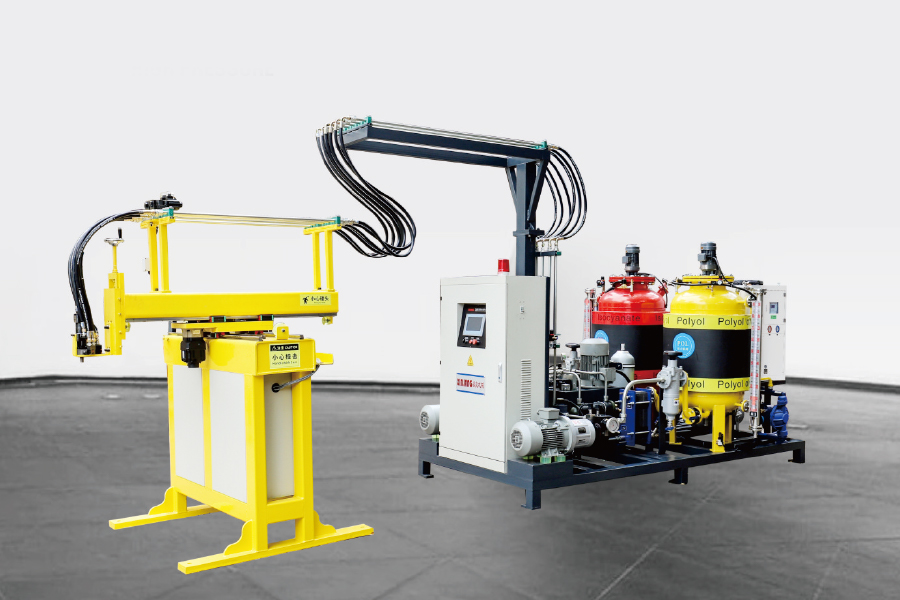
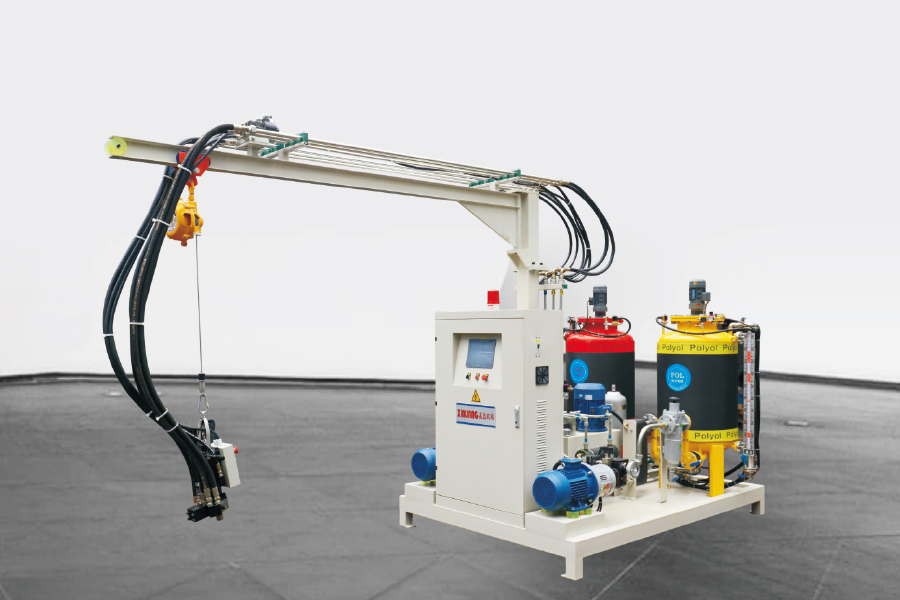
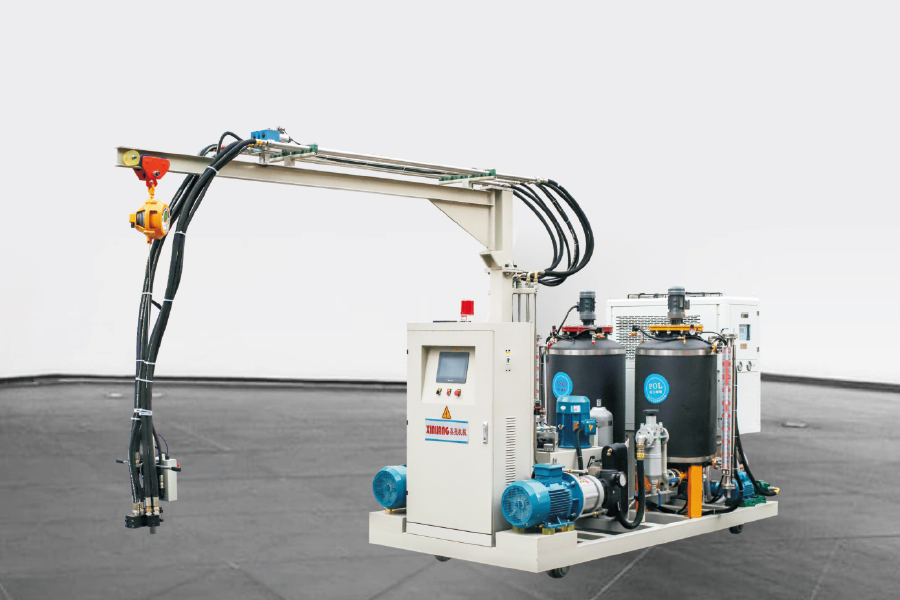
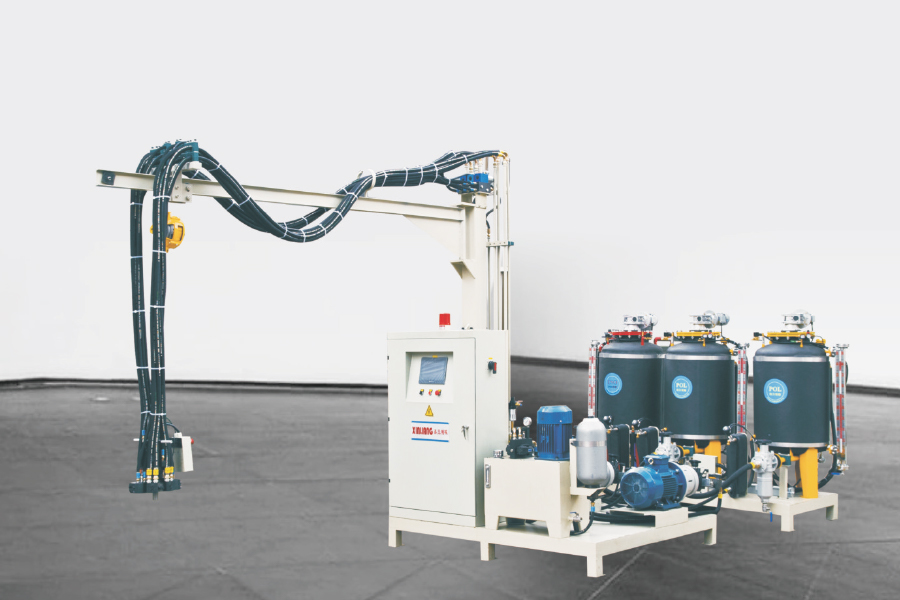
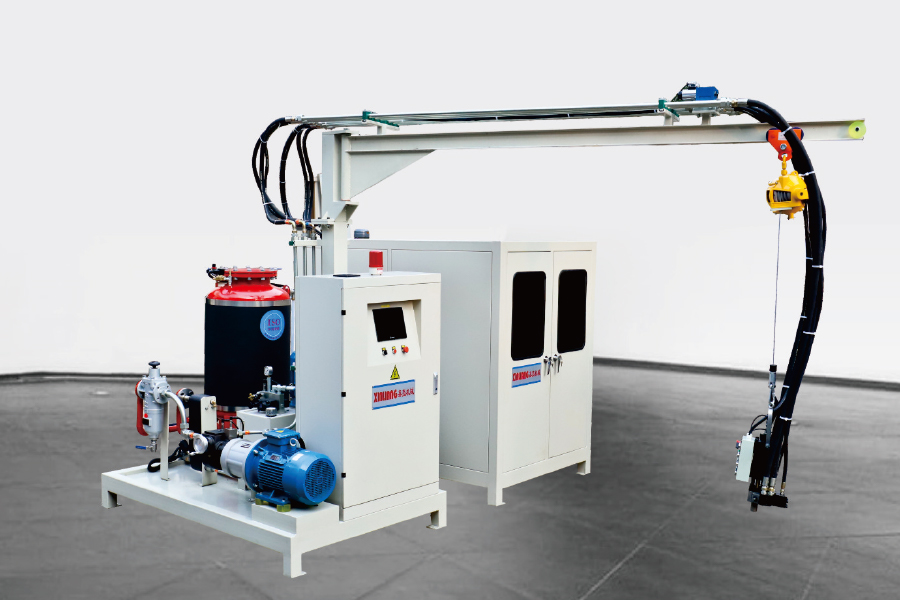
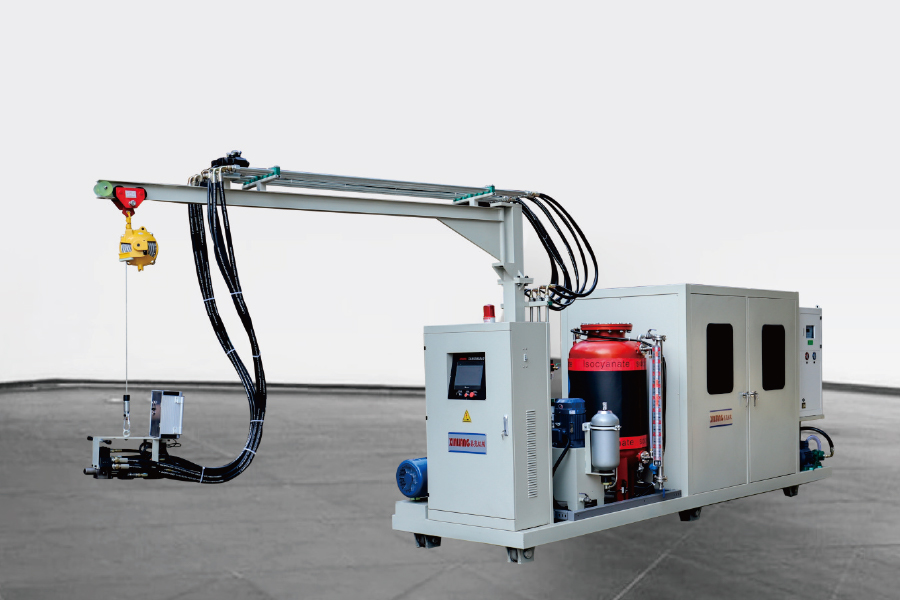
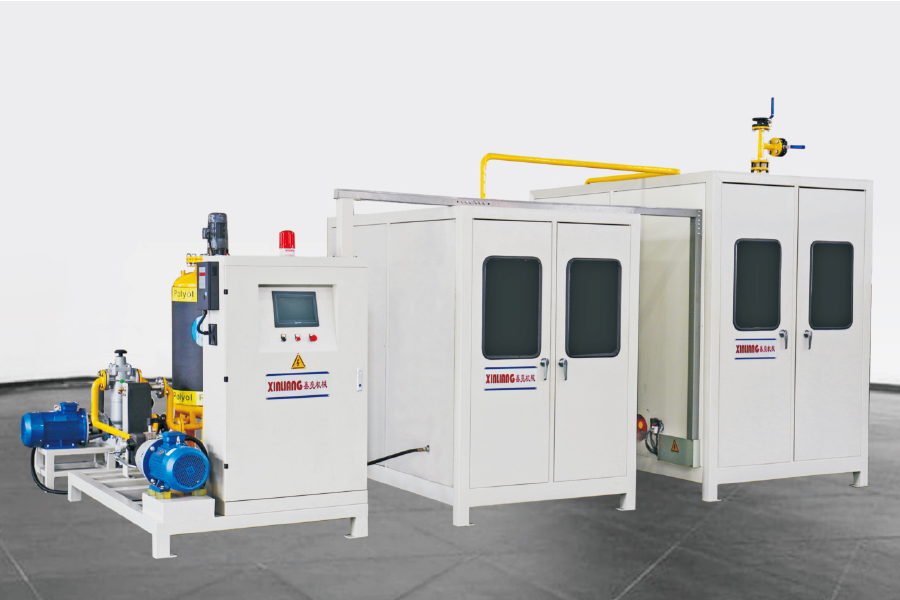
Reducing material waste by 30% in PU foam injection processes is achievable — and the results below prove it. The key lies in optimizing your Polyurethane High Pressure Foaming Injection Machine parameters, upgrading metering accuracy, and implementing real-time process monitoring. Manufacturers who combine precise mixing ratios, mold temperature control, and systematic operator training consistently report waste reductions between 25% and 35% within 6 to 12 months.
This guide covers every practical lever you can pull — from machine calibration to process audits — so you can stop losing raw material and start protecting your margins.
Why Material Waste Is a Critical Cost Driver in PU Foam Production
Polyurethane raw materials — polyol and isocyanate — are among the most expensive inputs in foam manufacturing. Even a 2% to 5% over-dispensing rate per shot can compound into tens of thousands of dollars in annual waste for a mid-size operation running multiple shifts.
Common sources of waste in PU foam injection include:
Inaccurate component ratio (polyol-to-isocyanate imbalance)
Purge and flush losses at startup and shutdown
Mold overfill from inconsistent shot weight control
Defective parts caused by temperature fluctuation or mixing head blockages
Equipment downtime leading to material degradation in lines
A structured approach to each of these categories is what separates high-efficiency plants from average ones.
Optimize Metering Accuracy on Your High Pressure PU Foaming Machine
The single highest-impact improvement you can make is tightening metering precision. Modern High Pressure PU Foaming Machines use gear pumps or piston pumps with servo-controlled drives. Upgrading from older volumetric metering to mass-flow metering can reduce ratio error from ±3% down to ±0.5% or better.
Practical calibration steps:
Perform daily shot weight checks using calibrated scales before production starts.
Verify component temperatures are within ±1°C of target — viscosity changes directly affect flow rates.
Run ratio verification tests at the beginning of each shift and after any material changeover.
Log all deviation events in a process control sheet for trend analysis.
Metering System Type
Typical Ratio Accuracy
Estimated Annual Waste Reduction
Standard volumetric pump
±2% – ±4%
Baseline
Servo-driven gear pump
±1% – ±2%
8% – 12%
Mass-flow metering (Coriolis)
±0.3% – ±0.5%
18% – 25%
Table 1: Metering system comparison and estimated material waste reduction potential
Control Mold Temperature and Clamping Pressure to Eliminate Defects
Defective parts are 100% waste. In PU foam injection molding, the majority of defects trace back to two variables: mold surface temperature and internal cavity pressure. Both must be tightly controlled throughout the production run.
Recommended operating windows for rigid foam applications:
Mold surface temperature: 40°C – 55°C (varies by formulation)
Injection pressure: 100 – 180 bar depending on part geometry
Component temperature at mixing head inlet: 20°C – 30°C (stable within ±1°C)
Plants that introduced closed-loop mold temperature control reported a defect rate drop from 6.8% to 1.2% — translating directly into a 5.6-percentage-point reduction in scrapped material.
Defect Rate Before vs. After Mold Temperature Control
6.8%Before Control
1.2%After Control
Reduction: 5.6 percentage points
Equivalent to ~82% fewer scrapped parts
Source: Industry case data from rigid PU foam panel production lines
Reduce Purge Losses with Smarter Machine Sequencing
Purge waste is one of the most overlooked cost centers in any operation using Polyurethane Foam Injection Equipment. Every startup cycle, color/formulation changeover, and end-of-shift flush ejects material that could otherwise produce parts.
Strategies to minimize purge volume:
Pre-heat components before production: Bringing polyol and isocyanate to target temperature before the shift starts reduces cold-start purging by up to 40%.
Sequence formulation changes from lower to higher isocyanate index: This reduces the volume of transition material that must be discarded.
Use short-shot recycling molds: Capture purge shots into dedicated molds for low-grade applications like packaging inserts.
Implement automatic recirculation during idle periods: Modern PU High Pressure Casting Machines support internal recirculation to keep materials conditioned without wasting them through open purge.
A refrigerator panel manufacturer in Zhejiang reduced daily purge loss from 18 kg to 7 kg per machine per shift after implementing pre-heat scheduling and recirculation protocols — a saving of over 3,000 kg annually per line.
Implement Real-Time Process Monitoring and SPC
You cannot manage what you do not measure. Statistical Process Control (SPC) applied to foam injection gives operators and engineers the visibility to catch drift before it becomes defective product.
Key parameters to monitor in real time on a Polyurethane High Pressure Foaming Injection Machine:
Shot Weight Consistency — Before and After SPC Implementation
Illustration: Shot weight variance narrows significantly after SPC protocols are implemented
Shot weight per cycle (target ±1%)
Component pressures at mixing head (A-side and B-side)
Component temperatures (tank and line)
Injection time per shot
Mold cavity pressure (for closed-mold systems)
Plants using digital SPC dashboards connected to their High Pressure PU Foaming Machine controllers report identifying out-of-spec trends 3 to 5 shifts earlier than plants relying on end-of-line inspection alone — preventing entire production batches from becoming scrap.
Upgrade Equipment for Higher Efficiency
Equipment age and design directly affect how much material you waste. Older machines with worn seals, slow valve responses, or imprecise pressure regulators create variability that no amount of operator training can fully compensate for.
Features to prioritize when evaluating Polyurethane Foam Injection Equipment:
Self-cleaning mixing heads: Reduce residual material and eliminate manual cleaning purge losses between shots.
Digital flow controllers: Enable precise real-time adjustment of A/B component ratio without machine stops.
PLC-based injection sequencing: Automates shot timing to ensure repeatable injection profiles across all cycles.
Integrated temperature conditioning units: Maintain stable component viscosity without operator intervention.
Variable pressure injection: Allows ramping injection pressure for complex mold geometries, reducing voids and overfill.
Investing in a modern PU High Pressure Casting Machine with these features typically delivers ROI within 12 to 24 months through material savings alone, excluding quality and productivity gains.
Train Operators on Waste-Conscious Production Practices
Technology alone does not eliminate waste — operators do. A well-configured Polyurethane Foam Injection Equipment system can still generate excessive waste if operators lack proper training on startup procedures, fault response, and material handling.
Core training areas that directly affect waste rates:
Startup and shutdown protocols: Standardized procedures reduce cold-start purge and end-of-shift flush volumes.
First-article inspection discipline: Operators who consistently run and measure first shots catch parameter drift immediately.
Fault code literacy: Understanding machine alarms enables faster recovery with less wasted material during unplanned stops.
Material handling and storage: Properly conditioned raw materials reduce viscosity variability before they even reach the machine.
One European white goods manufacturer documented a 22% reduction in per-shift waste within 3 months of structured operator retraining — without changing any hardware.
Conduct Systematic Waste Audits to Find Hidden Losses
Before making any changes, quantify where your waste actually comes from. Many operations discover that 60% or more of their total material waste originates from just 2 or 3 specific root causes — making targeted intervention far more effective than broad process changes.
A basic waste audit framework for foam injection lines:
Weigh and log all purge material for 5 to 10 production days by shift and machine.
Record all rejected part weights and categorize by defect type.
Calculate total material input versus total conforming part weight — the gap is your gross waste figure.
Map waste to process steps: startup, steady-state, changeover, shutdown, and fault events.
Prioritize the top 3 waste contributors and assign root-cause investigation teams.
Waste Source
Typical Share of Total Waste
Reduction Difficulty
Metering inaccuracy (overfill)
30% – 40%
Medium (calibration + equipment)
Purge and flush losses
20% – 30%
Low (procedure changes)
Defective parts (scrapped)
20% – 35%
Medium-High (process control)
Material degradation (downtime)
5% – 15%
Low (maintenance scheduling)
Table 2: Typical waste source distribution in PU foam injection operations
Frequently Asked Questions
Q1: How quickly can a 30% waste reduction be achieved after process optimization?
Most operations see measurable improvement within 4 to 8 weeks of implementing metering calibration and operator training. Reaching a sustained 30% reduction typically takes 6 to 12 months as all process changes mature and are embedded in daily operations.
Q2: Does switching to a High Pressure PU Foaming Machine improve material utilization compared to low-pressure systems?
Yes. High-pressure systems produce better mixing quality at the head, which results in more consistent foam density and fewer rejects. The improved impingement mixing eliminates the need for static mixers, reducing residual material in lines and simplifying purge procedures.
Q3: Can purge material from Polyurethane Foam Injection Equipment be reused or recycled?
Fully reacted purge foam can be mechanically ground and used as filler in low-grade applications such as packaging blocks or sound-dampening panels. Unreacted or partially mixed material is hazardous and must be handled according to local chemical waste regulations. Focus on reducing purge volume first; recycling is a secondary measure.
Q4: What maintenance schedule supports consistent output on a PU High Pressure Casting Machine?
Daily checks should cover mixing head cleanliness, component filter condition, and pressure readings. Weekly maintenance should include seal inspection, pump calibration verification, and temperature sensor accuracy checks. A full preventive maintenance overhaul every 500 to 1,000 operating hours prevents the gradual drift that quietly increases waste rates.
Q5: Is it possible to achieve further waste reduction beyond 30% with advanced automation?
Yes. Plants that integrate robotic mold handling, vision-based part inspection, and AI-assisted process adjustment have reported total material waste reductions of 40% to 50% compared to manual baseline operations. These results require significant investment but are achievable in high-volume production environments.
About Ningbo Xinliang Machinery Co., Ltd.
Ningbo Xinliang Machinery Co., Ltd. is an enterprise combining industry and trade, dedicated to producing polyurethane foaming equipment, polyurethane foaming production lines, and cyclopentane polyurethane foaming complete equipment. We are a professional high-tech enterprise specializing in polyurethane foaming equipment research and development, manufacturing, and technical services.
Our R&D team brings more than ten years of professional design experience and is well-versed in the advanced technology of polyurethane foaming equipment from both domestic and international sources. As a professional Custom Polyurethane High Pressure Foaming Injection Machine Supplier and OEM Polyurethane High Pressure Foaming Injection Machine Company, we rely on Zhejiang's strong industrial foundation and favorable location advantages.
Guided by the principle of "scientific and technological innovation, the pursuit of specialization," Xinliang Machinery focuses on providing customized solutions for users across the polyurethane industry — from single-machine supply to complete foaming line integration.


 English
 русский
 عربى
عربى