Home / News / Industry news / How Does Polyurethane High Pressure Foaming Injection Machine Reduce Material Waste by 25%?
How Does Polyurethane High Pressure Foaming Injection Machine Reduce Material Waste by 25%?
Industry news-
Quick Answer
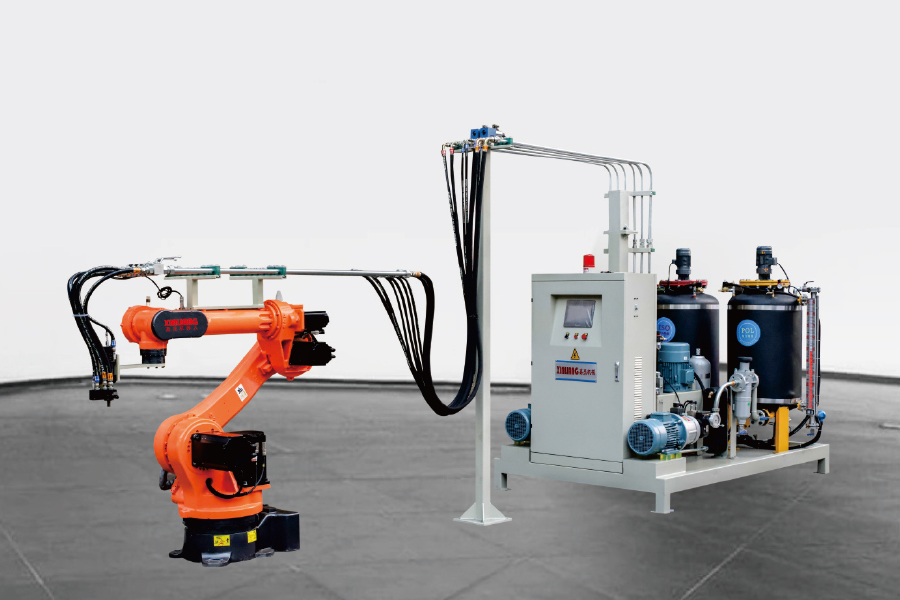
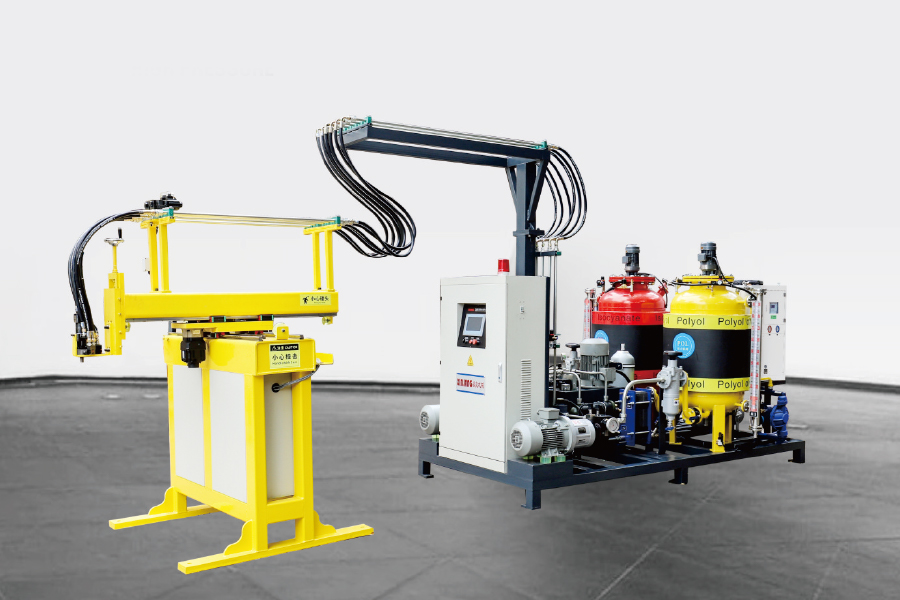
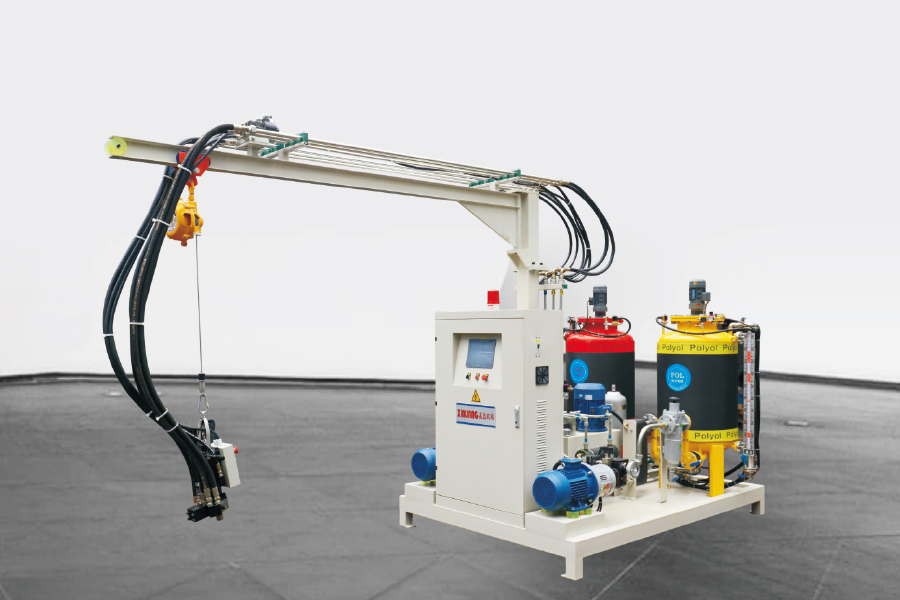
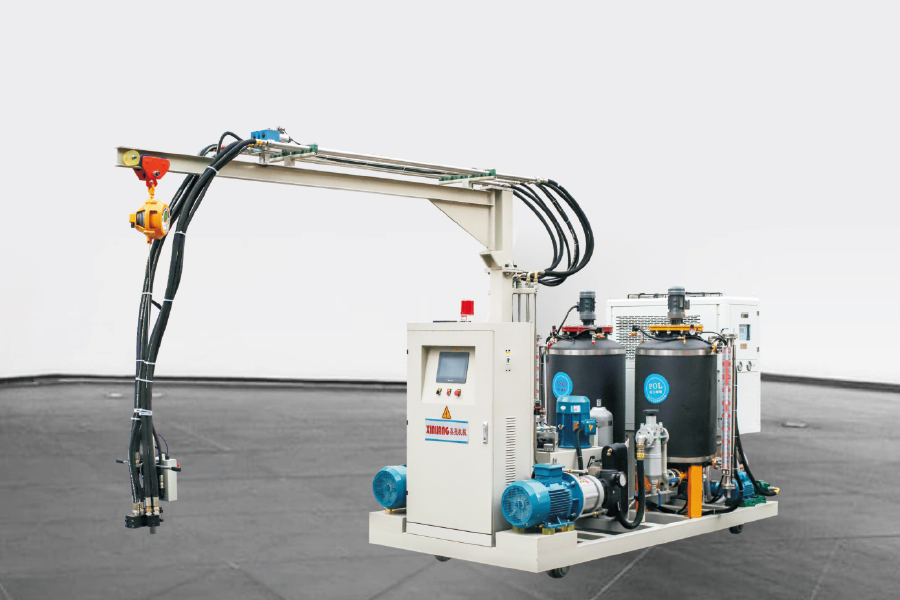
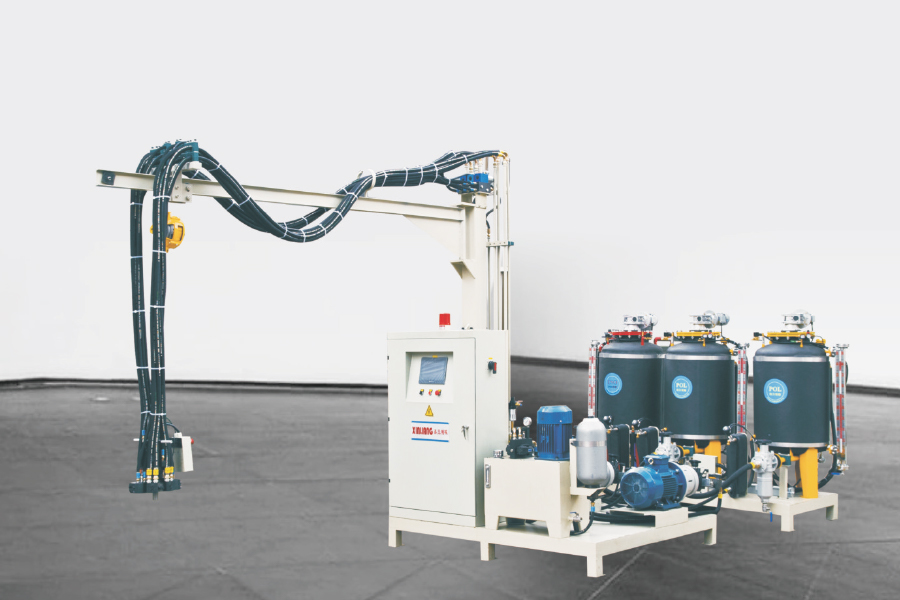
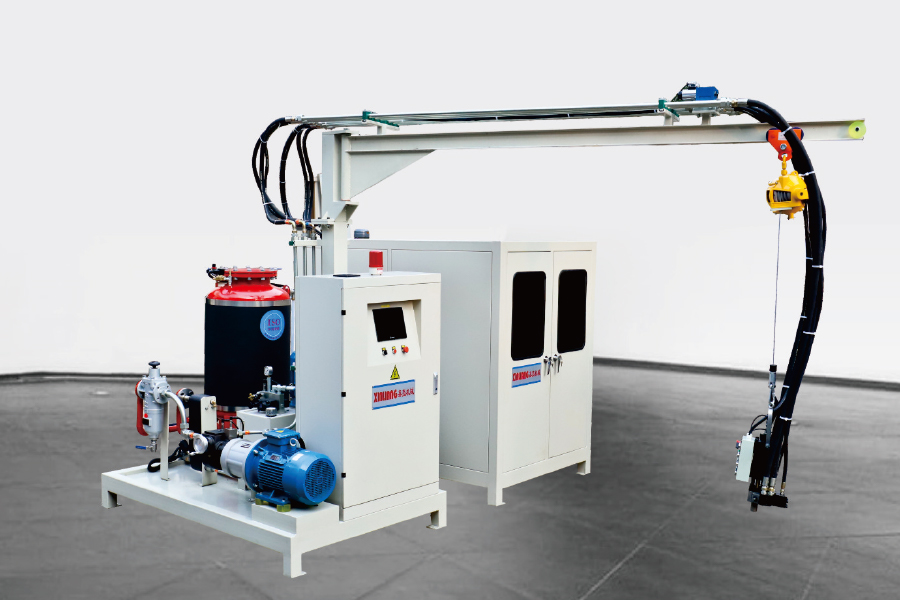
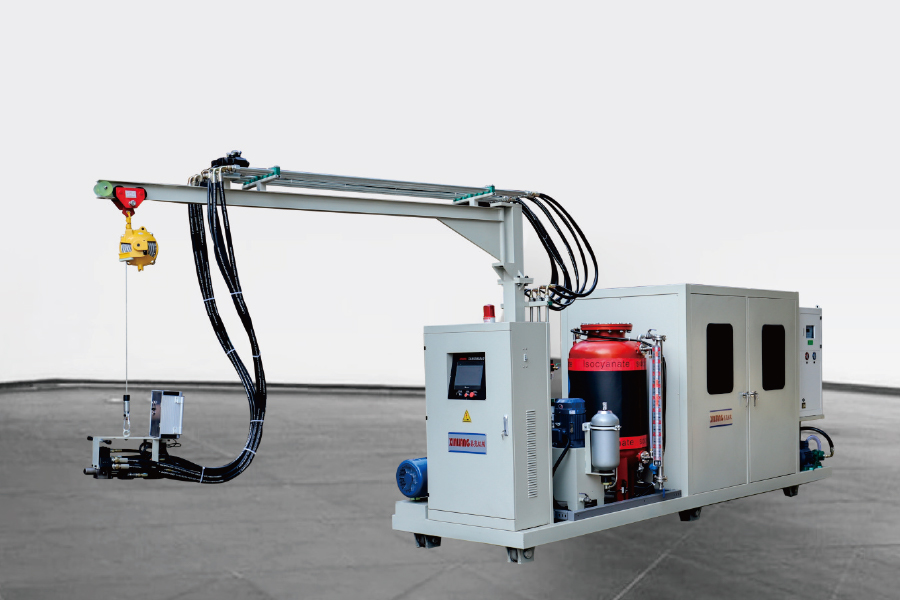
A Polyurethane High Pressure Foaming Injection Machine reduces material waste by up to 25% through precision metering, real-time ratio control, and closed-loop mixing systems that eliminate over-pour, resin imbalance, and manual variance. Key engineering features — including high-pressure impingement mixing heads, servo-driven dosing pumps, and automated flush cycles — ensure every gram of polyol and isocyanate is used with maximum efficiency, directly lowering raw material costs and improving production yield.
Why Material Waste Is a Critical Cost Driver in PU Foam Production
In polyurethane foam manufacturing, raw material costs — primarily polyol and MDI/TDI isocyanate — typically account for 60–75% of total production cost. Even a 5% variance in mixing ratio or a minor over-pour in each cycle compounds dramatically at scale. A facility running 400 shots per shift can waste hundreds of kilograms of chemical per week if the equipment lacks precision metering.
Traditional low-pressure foaming systems rely on mechanical agitation and manual calibration — both introducing operator-dependent variance. In contrast, a modern Polyurethane High Pressure Foaming Injection Machine eliminates these variables through closed-loop automation, reducing measurable waste by 20–25% compared to conventional equipment. This is not a marketing claim; it is a documented outcome reported consistently across refrigerator panel, insulation board, and automotive seating production lines.
Material Waste Rate Comparison by Equipment Type
Manual Low-Pressure System
~18–25% waste
Semi-Auto Low-Pressure
~12–18% waste
High-Pressure Auto System
~5–8% waste
Servo-Driven HP System
<4% waste
5 Core Engineering Features That Drive 25% Waste Reduction
The waste reduction capability of a High Pressure PU Foaming Machine System is not the result of one single feature. It emerges from the interaction of multiple precision-engineered subsystems working in coordination. Below are the five most impactful mechanisms.
1. High-Pressure Impingement Self-Cleaning Mixing Head
Operating at pressures of 100–200 bar, the impingement mixing head collides polyol and isocyanate streams at high velocity, achieving homogeneous mixing without mechanical agitators. The self-cleaning piston purges residual material after each shot using hydraulic or pneumatic pressure — eliminating chemical purge solvent waste entirely. Industry data suggests self-cleaning heads alone reduce solvent and residual chemical disposal costs by 15–30% versus open-pot mixing systems.
2. Closed-Loop Ratio Metering with Real-Time Correction
Ratio deviation between polyol and isocyanate is one of the leading causes of foam defects — and defective parts represent 100% material waste. Advanced Polyurethane Foam Injection Equipment uses flow meters and pressure transducers in a closed-loop PLC system to monitor and correct the A/B ratio in real time, typically within ±1% tolerance. Compared to fixed-ratio gear pump systems, closed-loop metering reduces off-ratio shots by over 90%, directly cutting defect-related waste.
3. Servo-Driven Dosing Pump for Shot Volume Accuracy
An Automatic High Pressure Foaming Machine equipped with servo motor-driven piston pumps can achieve shot volume accuracy of ±0.5–1.0%. Traditional hydraulic gear pumps, by comparison, show variance of ±3–5%. Over a production run of 10,000 parts — typical for a refrigerator door panel line — that 3–4% difference in accuracy translates directly into measurable material savings. Servo systems also allow programmable multi-stage shot profiles, enabling fill optimization for complex mold geometries without trial-and-error over-pour.
4. Temperature-Controlled Material Conditioning Tanks
Viscosity variations caused by temperature fluctuation alter flow behavior and effective shot weight — even when pump speed remains constant. Industrial Polyurethane Foam Mixing Machines with jacketed, temperature-controlled storage tanks (typically ±0.5°C regulation) maintain consistent chemical viscosity throughout the production shift. This eliminates the "cold start" problem seen in unregulated systems, where the first 50–100 shots of the day require manual adjustment and generate defective or over-filled parts.
5. Automated Recipe Management and Traceability System
Modern PU insulation foaming production equipment integrates recipe-based HMI control, storing hundreds of product formulations with operator-locked parameters. When switching between products, the machine automatically adjusts ratios, pressures, shot weights, and temperatures — eliminating the manual recalibration that typically wastes 20–40 kg of chemical per changeover in manually operated systems. Digital traceability also enables post-production analysis to identify recurring waste patterns and optimize parameters over time.
Quantifying the 25% Waste Reduction: What the Numbers Look Like in Practice
To understand what a 25% material waste reduction means in practical terms, consider a mid-scale PU insulation panel production facility consuming 5,000 kg of combined polyol and isocyanate per day at a blended raw material cost of approximately $2.50/kg. The following table illustrates the operational and financial impact:
Metric
Before (Legacy System)
After (HP Auto System)
Improvement
Daily Material Consumed
5,000 kg
5,000 kg
—
Estimated Waste Rate
~18%
~5%
−72% waste rate
Wasted Material / Day
900 kg
250 kg
−650 kg/day
Daily Material Cost Saved
—
—
~$1,625/day
Annual Savings (250 days)
—
—
~$406,000
Defect Rate (Off-Ratio Shots)
~4–6%
<0.5%
−90% defects
Illustrative example based on a 5,000 kg/day PU insulation panel production facility.
Industries and Applications That Benefit Most from High-Pressure PU Foaming Systems
The efficiency gains of PU Insulation Foaming Production Equipment operating at high pressure are most pronounced in applications where consistent density, dimensional accuracy, and material ratios are non-negotiable quality parameters.
Refrigerator and Freezer Manufacturing
Cabinet wall insulation requires precise foam density and uniform cell structure across high daily volumes. High-pressure systems ensure consistent thermal performance while reducing over-pour by up to 20% per unit.
Cold Chain Insulation Panels
Continuous or discontinuous sandwich panel lines use automated high-pressure foaming to maintain exact pour weights across multi-meter panel lengths, eliminating edge voids and overfill simultaneously.
Automotive Seating and Interiors
Complex seat foam geometries demand multi-component, precisely timed injection. Servo-driven high-pressure machines with programmable shot profiles reduce trim waste and part rejects in demanding OEM production environments.
Water Heater and HVAC Equipment
Tank and duct insulation foaming requires controlled foam rise and tight tolerances. Automated high-pressure equipment with jig-mounted molds ensures repeatable fill without manual intervention between cycles.
Cyclopentane-Blown Insulation Lines
Working with flammable cyclopentane blowing agents demands fully sealed, explosion-proof equipment. High-pressure closed systems with safety-rated controls are the only practical approach for compliant cyclopentane PU foam production.
Construction and Pipe Insulation
Spray or pour-in-place insulation applications benefit from precisely metered output, ensuring coverage targets are met without costly re-application or excessive material application beyond specification.
Key Technical Specifications to Evaluate When Selecting a High-Pressure Foaming System
Not all high-pressure machines deliver the same level of process control. When evaluating an Industrial Polyurethane Foam Mixing Machine for material efficiency, the following technical parameters are the most relevant to compare:
Parameter
Standard Range
Why It Matters for Waste Reduction
Output Ratio Accuracy
±0.5–1.5%
Tighter ratio = fewer off-ratio defective parts = less wasted material per shift
Operating Pressure
100–200 bar
Higher pressure ensures complete impingement mixing without solvent purge waste
Shot Weight Repeatability
±0.5–2%
Consistent shot weight prevents over-pour accumulation across high-volume runs
Temperature Regulation
±0.5°C
Stable viscosity ensures predictable flow and eliminates cold-start adjustment waste
Mixing Head Purge Type
Self-cleaning piston
Eliminates solvent use for cleaning, reducing chemical waste and VOC emissions
Recipe Storage Capacity
50–500 programs
Fast, accurate product changeover without material-wasting manual recalibration
Output Flow Range
100–800 g/s
Adjustable output matches mold requirements without excess material per cycle
Ratio Accuracy vs. Defect Rate Trend
How to Maximize Waste Reduction After Installing a High-Pressure Foaming System
Equipment capability is the foundation, but operational discipline unlocks the full 25% waste reduction potential. The following practices should be established alongside any new Automatic High Pressure Foaming Machine installation:
Baseline measurement first: Before upgrading, document current waste rates per product SKU using flow meters and part weight logs. This establishes the improvement baseline and validates ROI after changeover.
Calibrate at production temperature: Always perform ratio calibration with materials at their standard operating temperature. Cold-calibration at startup causes systematic over-pour when materials warm and viscosity decreases.
Lock operator parameters after validation: Use password-protected recipe locking to prevent unauthorized parameter changes. Manual "adjustments" by operators are a major source of process drift and waste.
Schedule preventive maintenance on pumps and seals: Worn pump seals and check valves cause metering drift that manifests as gradual waste rate increase. Monthly pressure and flow checks catch degradation before it becomes waste.
Review production data weekly: Modern HMI systems log every shot's ratio, weight, and pressure. Regular analysis identifies patterns — specific molds, shifts, or products — generating disproportionate waste.
Optimize purge cycles: Configure minimum-effective purge durations during mold changeovers. Excessive purging wastes both chemicals and production time without adding quality benefit.
About Ningbo Xinliang Machinery Co., Ltd.
Ningbo Xinliang Machinery Co., Ltd. is an enterprise combining industry and trade, dedicated to producing polyurethane foaming equipment, polyurethane foaming production lines, and cyclopentane polyurethane foaming complete equipment. The company is a professional high-tech enterprise specializing in polyurethane foaming equipment research and development, manufacturing, and technical services.
With more than ten years of professional design experience, the R&D team is deeply familiar with advanced polyurethane foaming equipment technology both domestically and internationally. As a professional Custom Polyurethane High Pressure Foaming Injection Machine Supplier and OEM manufacturer, Ningbo Xinliang leverages Zhejiang's strong industrial foundation and strategic location advantages to follow a development path of scientific and technological innovation and specialization.
The company focuses on providing customized solutions for users across the polyurethane industry — from single-station high-pressure foaming machines for small-batch production to fully automated PU insulation foaming production lines serving large-scale manufacturers. Every system is engineered around the customer's specific material, throughput, and quality requirements.
Frequently Asked Questions
Q1: What is the difference between a high-pressure and low-pressure polyurethane foaming machine?
A high-pressure PU foaming machine mixes polyol and isocyanate through impingement at 100–200 bar, achieving homogeneous mixing without mechanical stirrers and enabling self-cleaning mixing heads that require no solvent purge. Low-pressure systems use mechanical agitation at much lower pressures, typically requiring solvent cleaning between runs. High-pressure systems produce more consistent foam quality, lower waste, and higher throughput — making them the preferred choice for industrial-scale production.
Q2: How does a high-pressure foaming machine achieve precise ratio control between polyol and isocyanate?
Precision ratio control is achieved through servo-driven or hydraulically controlled metering pumps monitored by flow meters and pressure sensors connected to a PLC system. The closed-loop controller compares actual flow rates against the target ratio in real time and adjusts pump speed or valve position to correct any deviation — typically maintaining accuracy within ±1% or better. This eliminates the ratio drift that causes off-ratio foam defects and associated material waste.
Q3: Can a polyurethane high-pressure foaming machine work with cyclopentane blowing agents?
Yes. Cyclopentane-compatible high-pressure foaming systems are specifically designed with explosion-proof electrical components, sealed material circuits, and cyclopentane-rated seals and pumps. The closed high-pressure mixing head prevents cyclopentane vapor release during injection. These systems fully comply with industrial safety standards for working with flammable blowing agents and are widely used in refrigerator and cold chain insulation manufacturing.
Q4: What maintenance is required to keep a high-pressure PU foaming machine operating efficiently?
Routine maintenance includes daily checks of material temperatures, pressures, and flow rates against baseline values; weekly inspection and cleaning of the mixing head piston and seals; monthly verification of metering pump calibration against a certified flow meter; and periodic replacement of pump seals, check valves, and hose fittings per the manufacturer's schedule. Preventive maintenance directly preserves metering accuracy and prevents the gradual drift in shot weight that increases material waste over time.
Q5: Is a high-pressure foaming injection machine suitable for small-batch or multi-product production?
Modern high-pressure foaming machines with PLC recipe management are well suited for multi-product environments. Stored product recipes allow fast, accurate parameter switching between different foam formulations, densities, and shot weights — typically within minutes and without wasting material on manual recalibration. For small-batch or R&D applications, lab-scale high-pressure units with the same precision metering architecture are available, providing process data that scales directly to production equipment.


 English
 русский
 عربى
عربى