What Determines PU Foam Injection Quality?
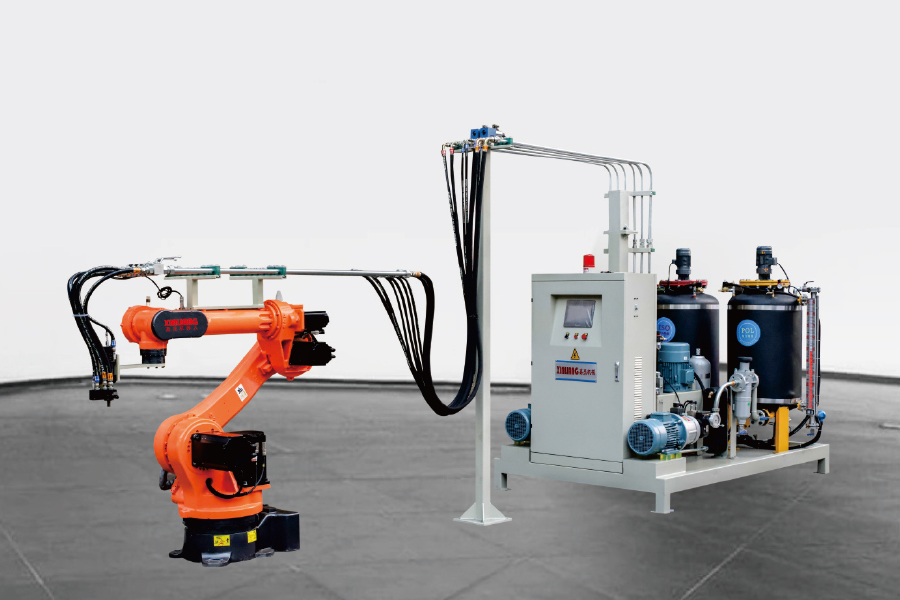
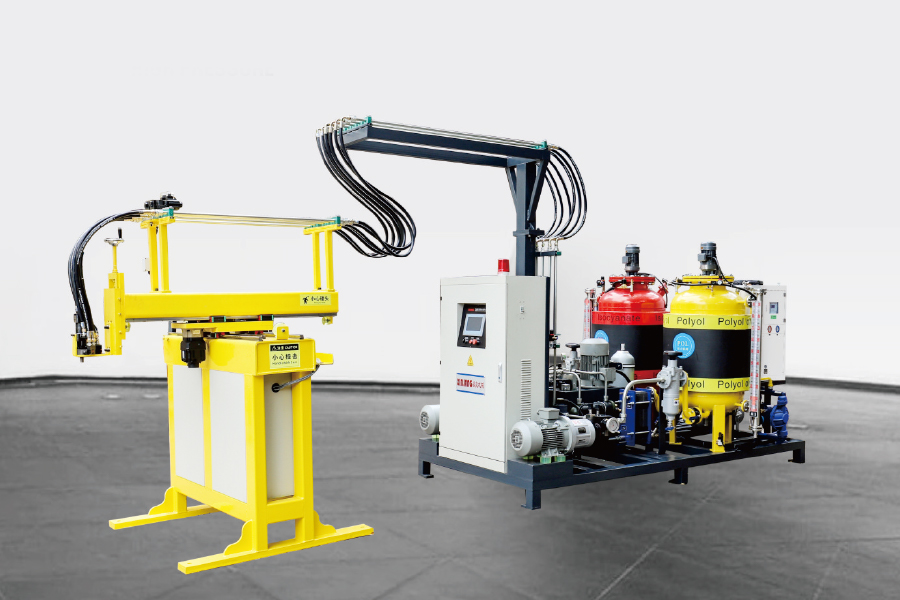
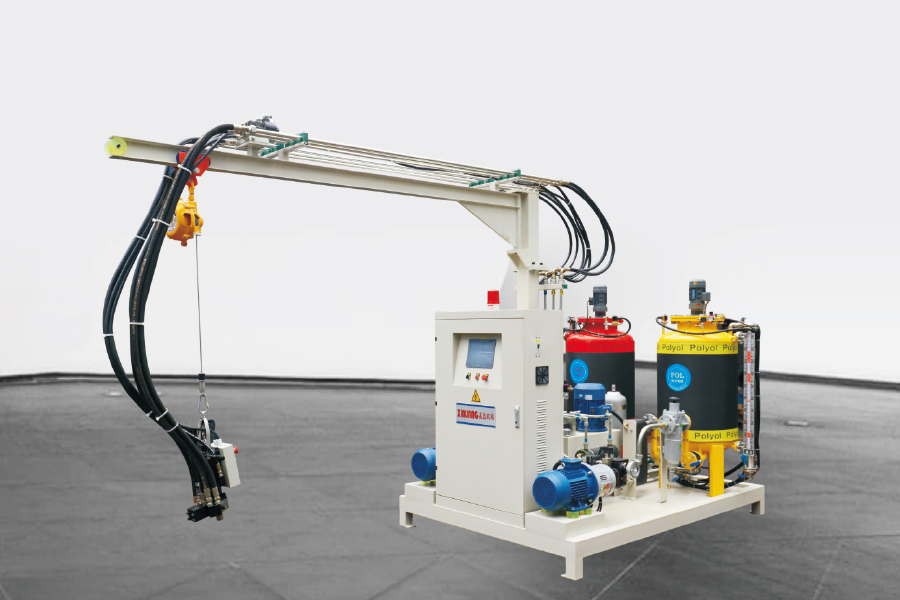
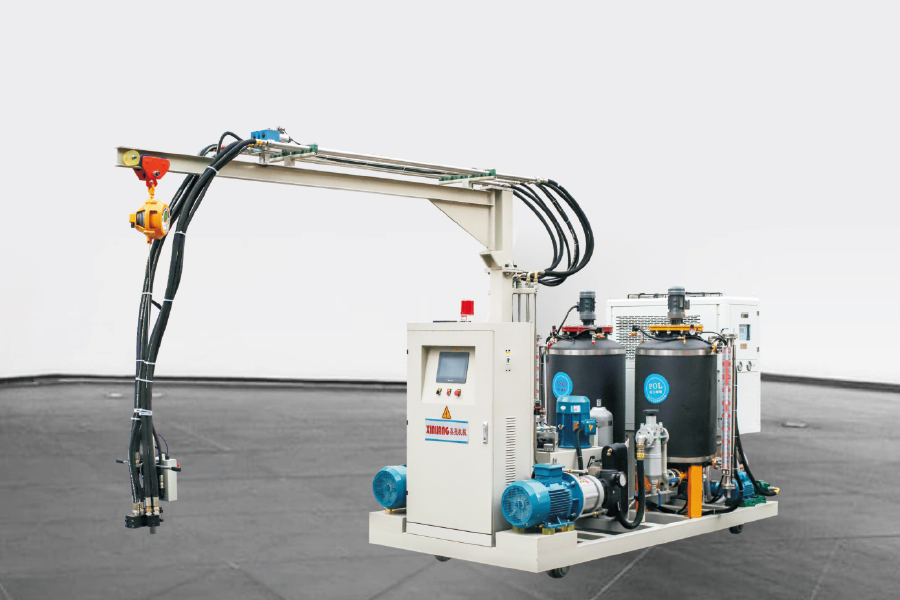
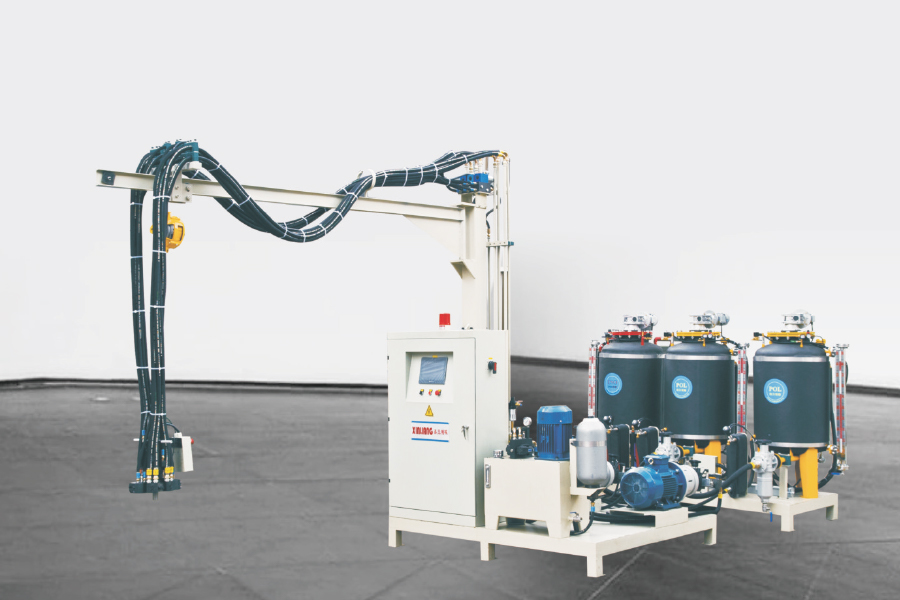
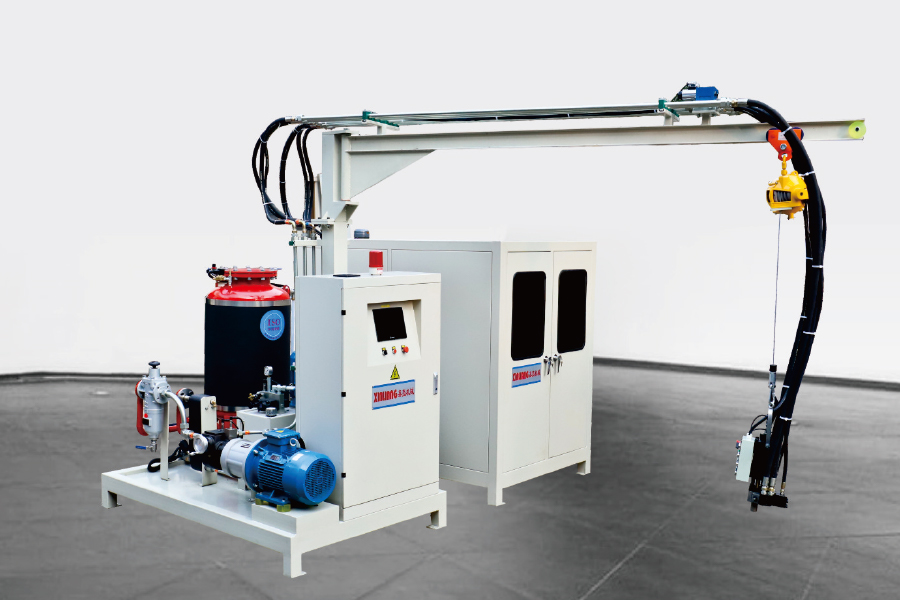
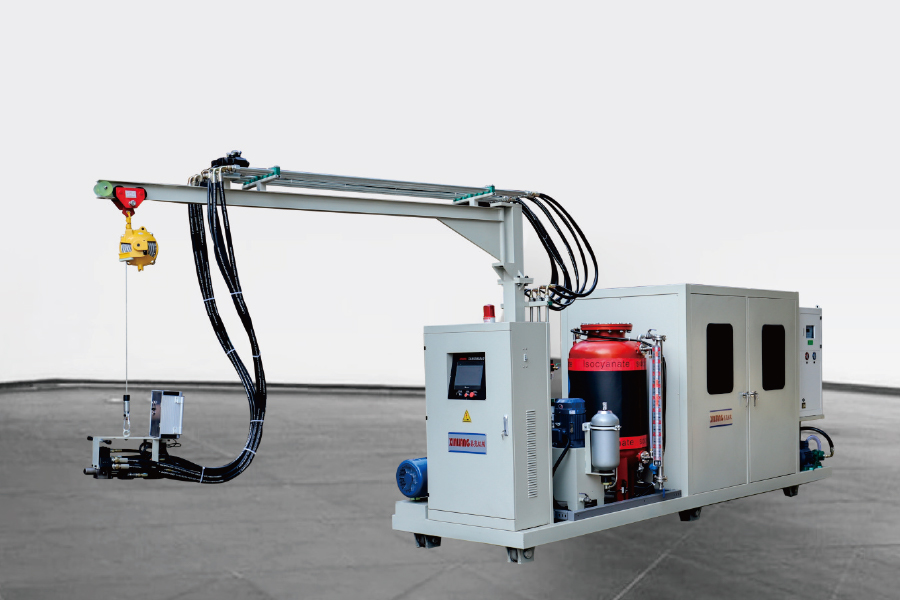
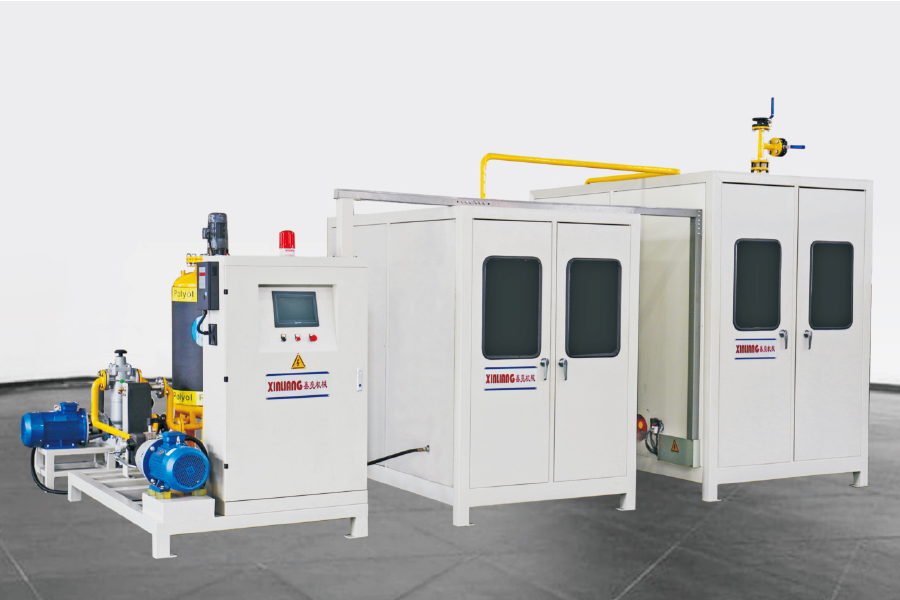
The quality of PU foam injection primarily depends on material ratio accuracy, injection pressure stability, temperature control, mixing efficiency, mold design, and operator calibration. When using a Polyurethane High Pressure Foaming Injection Machine, even small deviations—such as a 2–3% ratio imbalance or a 5°C temperature fluctuation—can significantly affect foam density, cell structure, and mechanical strength.
In practical production, maintaining strict control over these parameters can improve finished product consistency by over 20% and reduce defect rates below 3%.
Material Ratio Accuracy (Polyol & Isocyanate)
The chemical reaction between polyol and isocyanate determines foam expansion and curing performance. Most systems require a precise ratio, commonly 1:1 by volume, depending on formulation.
Impact of Ratio Deviation
- Excess isocyanate: brittle foam, shrinkage issues
- Excess polyol: soft foam, reduced structural strength
- Deviation above 3%: increased defect rate
High-pressure systems typically maintain ratio accuracy within ±1%, ensuring stable foam density and uniform cell formation.
Injection Pressure Stability
A Polyurethane High Pressure Foaming Injection Machine usually operates between 100–200 bar. Stable pressure ensures proper atomization and homogeneous mixing inside the mixing chamber.
| Pressure Level |
Effect on Foam |
Risk |
| <100 bar |
Poor mixing |
Uneven density |
| 100–200 bar |
Optimal mixing |
Stable structure |
| >200 bar |
Excess turbulence |
Equipment wear |
Relationship between injection pressure and foam quality
Temperature Control of Materials and Mold
Temperature directly affects reaction speed and foam expansion. Recommended ranges include:
- Material temperature: 20–25°C
- Mold temperature: 35–45°C
A deviation greater than 5°C can lead to inconsistent cell size or incomplete curing. Controlled heating systems improve dimensional stability by approximately 15%.
Mixing Chamber Design and Efficiency
High-pressure impact mixing eliminates the need for mechanical stirrers. The design of the mixing head influences:
- Homogeneity of chemical reaction
- Reduction of air bubbles
- Foam cell uniformity
Advanced mixing heads can achieve over 99% mixing efficiency, significantly lowering void formation.
Mold Design and Ventilation
Mold structure determines expansion direction and final surface quality. Poor venting may cause trapped air pockets.
- Insufficient vents: surface defects
- Improper gate placement: uneven density distribution
- Optimized venting: smoother finish, fewer voids
Proper mold engineering can reduce post-processing rework by up to 25%.
Operator Calibration and Maintenance
Regular maintenance of the Polyurethane High Pressure Foaming Injection Machine ensures consistent performance.
- Daily nozzle inspection
- Monthly calibration checks
- Seal and filter replacement
Preventive maintenance can extend equipment lifespan by 3–5 years and maintain consistent injection precision.
Frequently Asked Questions (FAQ)
What is the ideal pressure for PU foam injection?
Most systems perform best between 100–200 bar for optimal mixing and foam consistency.
How accurate should the material ratio be?
A tolerance within ±1% is recommended to maintain structural strength and avoid defects.
Does temperature affect foam density?
Yes. Temperature deviations greater than 5°C can alter expansion rate and final density.
Why are air bubbles forming in my foam?
Possible causes include poor mixing efficiency, low pressure, or inadequate mold venting.
How often should the machine be calibrated?
Monthly calibration is recommended for high-precision manufacturing environments.
Can maintenance improve foam consistency?
Yes. Regular maintenance ensures stable pressure and ratio control, significantly reducing defect rates.


 English
 русский
 عربى
عربى